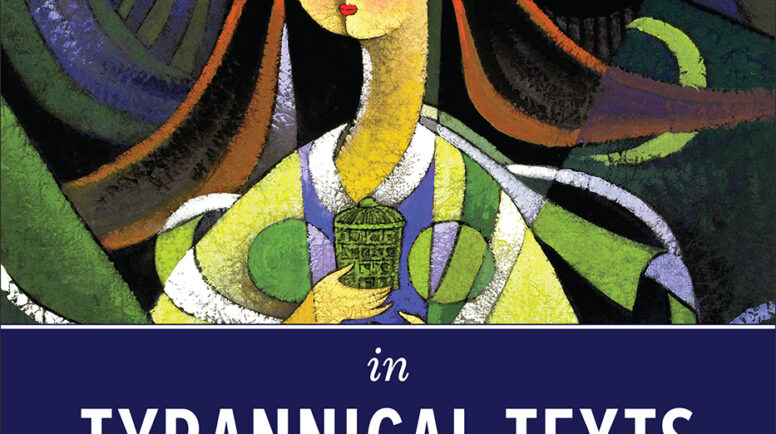
 by Frances Taylor Gench
Westminster John Knox Press, Louisville, Ky. 212 pages
Reviewed by James Elisha Taneti
During the last three decades, feminist theologians have blessed the church and academy with a rich collection of books and essays that reinterpret the biblical texts that were either abusive or were abused by misogynic interpreters. They continue to alert us about the cultural world from which the biblical writings emerged and of the unjust tradition of interpretation that shaped our own hermeneutical lens. Frances Taylor Gench, who teaches New Testament at Union Presbyterian Seminary in Richmond, Virginia, enriches this conversation with yet another well-written book.
Gench addresses two groups of readers: the readers who refuse to engage the biblical texts that they find to be tyrannical or boring; and those interpreters who misuse such texts to further alienate women from church life. She urges both to humbly respect the authority of Scripture and boldly engage such texts. Gench, who has written extensively on the Gospels and the general epistles, focuses in this book on the Pauline literature, especially on the texts that through centuries have circumscribed women’s leadership at home and in congregations.
Gench “wrestles” with the verses in Ephesians 5:21-33, 1 Corinthians 11:2-16, 1 Corinthians 14:33b-36, 1 Timothy 5:3-16 and Romans 16:1-16. Five principles weave the study of the texts. First, every biblical text and its writer deserve “charity” or grace. Gench echoes Ellen Davis and reminds the readers — ordained or not — of their pastoral duty of listening charitably to the text. Whether we like a particular passage or not, every text is part of the canonical Scripture and every writer an ancestor in our faith. Second, arguing with Scripture is an act of faithfulness. The reader is encouraged to talk back to the text, as the Holy Spirit uses such dialogues to edify the church. Third, there is a word of edification even in the most tyrannical texts. Gench encourages the reader to look for opportunities to learn from the text. These passages provide a window into the lives of the faithful, those who failed and those who remained faithful despite the unjust structures. Fourth, the reader can learn from the dangers and insights that these texts and their interpretation offer. Gench invites the reader to patiently and gracefully discern dangers and glean insights from the texts. Fifth, the reader’s bold and faithful engagement with these texts does not diminish her commitment to Scripture but rather enhances it.
Devoting a chapter to each of the above-mentioned passages, Gench invites the reader to co-read the text with her. She sheds light on the world of the text and possible ways of interpreting difficult words. She interprets each in light of other scriptural passages. She boldly asks if these texts reflect the gospel message that Jesus embodied. Gench skillfully uses the confessional statements from her Reformed tradition as hermeneutical lenses. Echoing St. Augustine, our forebear of faith, Gench argues that love should rule biblical interpretation.
Professor Gench and the Apostle Paul have two things in common: They highlight God’s generosity and they would not let the reader rest from learning and unlearning. With its pastoral tone and accessible language, this book would be an ideal resource for both biblical commentators and lay readers, especially those who take the authority of Scripture seriously.
James Elisha Taneti is a candidate for ministry in the PC(USA). He lives in Greensboro, North Carolina.