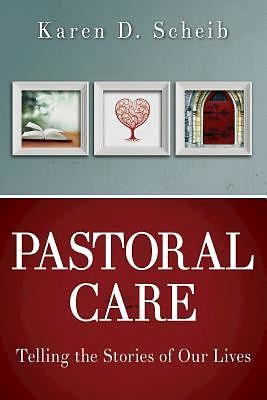
 Karen D. Scheib
Abingdon Press, Nashville, Tenn. 256 pages
Reviewed by Eunil David Cho
In this book Karen D. Scheib, associate professor of pastoral care and pastoral theology at Candler School of Theology, presents a new model of Christian pastoral care as a narrative, ecclesial, theological practice (NET). Scheib begins by claiming humans are storied beings and develop their sense of identity by telling meaningful stories. Because human beings are interpretive storytellers, caregivers are called to become pastoral story companions to others. In this companionship, pastoral story companions learn how to read and listen closely to the stories of others and understand how stories and identities are interweaved and formed. By drawing on rich narrative theories of psychology, gerontology and therapy in conversation with Wesleyan theology, the NET model offers a refreshing paradigm for those who provide care with and on behalf of Christian communities.
How does Scheib define and develop the NET model of pastoral care? First, pastoral care is a narrative practice that attends to the interconnection between our own stories, others’ stories and God’s story. In particular, Scheib emphasizes that God is a principal coauthor of our life-stories who accompanies humans on the journey to make sense of their past, present and future. Second, pastoral care is an ecclesial practice as a primary ministry of the church to bear witness to and embody God’s mission of love that extends beyond the church. In ecclesial communities, Scheib contends that individuals engage in the work of coauthoring life-stories by reading and listening to each other’s life-story. Lastly, pastoral care is a theological practice that is fully grounded in God’s love story. Drawing on a Wesleyan theological understanding of growth in love, narrative pastoral care views healing as an integral part of the process of growth. The Wesleyan theological perspective plays a critical role in Scheib’s idea of pastoral care based on love: “So extensive and pervasive is God’s love that it is God’s grace that makes us aware of our need for God through prevenient grace.” It’s prevenient grace that allows people to acknowledge their need for restoration, healing and wholeness in human life. Therefore, the NET model calls and guides caregivers to engage in the ecclesial practice of care to bear witness to the intertwining of God’s love story with life-stories.
Written with clear presentation of the materials and excellent synthetic writing style, Scheib’s book is not only a remarkable contribution to the field of practical and pastoral theology, but also a valuable resource for pastors, chaplains and counselors. In particular, ministers would find chapter seven approachable and helpful; Scheib discusses the art of close reading and examines the parallel between exegesis of a biblical text for the task of preaching and the exegesis of a life-story in the practice of care. Scheib adapts Thomas G. Long’s renowned method of biblical exegesis for preaching to the practice of narrative pastoral companionship.
In this creative approach, Scheib makes a salient point by empowering caregivers to use their skill of close reading to read, understand and examine stories of others. Especially for pastors who practice biblical exegesis regularly for preaching, the NET model equips and enables them to be “better readers of both written and lived texts.”
 Eunil David Cho is pastor of Bethany Presbyterian Church in Marietta, Georgia.