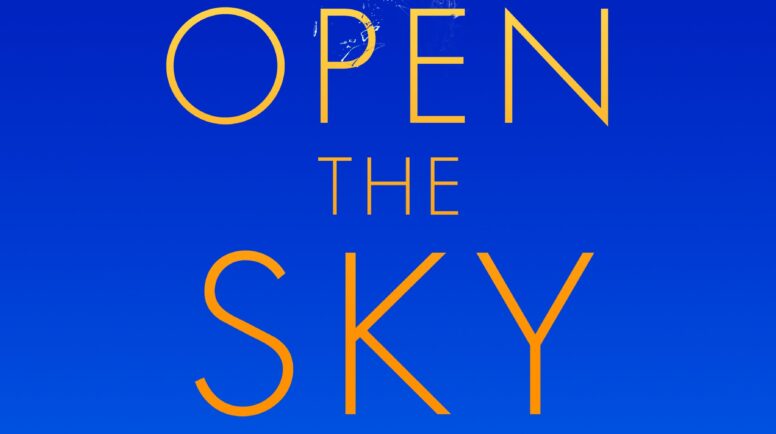
 Stephan Bauman
Multnomah Press, 224 pages
Reviewed by Susan Andrews
“Here is the world. Beautiful and terrible things will happen. Don’t be afraid.” – Frederick Buechner
Stephen Bauman’s new book was written for the times in which we live. Our global community is traumatized by tragedy, and our national culture is wallowing in fear. Hyperbolic rhetoric about terrorism. Animosity toward refugees. Anxiety about failure. Denial of death and disease. Such a jittery cultural climate forces a referendum on the vibrancy and honesty of our Christian faith. Bauman’s tight, vibrant, gospel-centric writing has done much to revive my flattened, anxious faith. By naming and decrying our fear, he has planted hope amidst these bleak, post-Christian days.
As a progressive, feminist, Harvard-trained pastor, I was at first put off by the evangelical potency of this book. Bauman, a former businessman, served for over a decade as the president of World Relief – living in Africa and proclaiming the saving grace of Jesus Christ. But Bauman’s book is not a work of piety as much as it is a prophetic vision. I learned early in my own journey to balance the liberal thinking of Paul Tillich and Marcus Borg and Barbara Brown Taylor with the heartfelt witness of Philip Yancy and Peter Kreeft and C.S. Lewis. And the result has always been a reminder that faith is more about God than it is about me.
Bauman’s call to renewed faithfulness is built upon the absolute sovereignty of God and the repudiation of human arrogance and control. Until we totally submit to the gracious plenty and trustworthy grace of God, we will remain fearful and caught up in the anxiety of our own inadequacy. But if we reclaim the astounding faith of an Easter God, we can live in the midst of anxiety without being controlled by it.
Bauman’s vision of faith rests on three foundational realities: truth, love and risk. The section on truth is the most powerful and challenging. He distinguishes “cruel truth” from “comfortable truth” – the gut-level honesty of admitting our brokenness, our neediness and our dependence upon God’s grace. And he describes the utter courage it takes to have an honest look at ourselves and the world around us – the kind of truth that stings before it can liberate or bring healing. Though Bauman does not mention it, I could not help but reflect on the Black Lives Matter movement as an example of this “cruel truth” that stings those of us comfortable with white privilege in order to lead us to fresh freedom and hope.
Continuing the double-edge of truth, Baumann outlines the power of “vulgar grace” – a grace that offends before it welcomes, a wild grace that is non-reciprocal, born out of the vast well of God’s blessing and favor. We can never earn grace or pay it back; all we can do is offer it to others, whether they “deserve” or not.
The rest of the book describes the fruit of truthfulness – which is sacrificial love and courageous risk-taking. The love Baumann describes “astonishes, endures, sacrifices” and comes “when we gulp large doses of grace and find the courage to kiss the crucible of suffering … when we risk, we love. And where there is love, there is no fear.”
May it be so!
 Susan Andrews is interim pastor of Second Presbyterian Church in St. Louis.