 Tim Shapiro (with Kara Faris)
Abingdon Press, 156 pages
Reviewed by Allen D. Timm
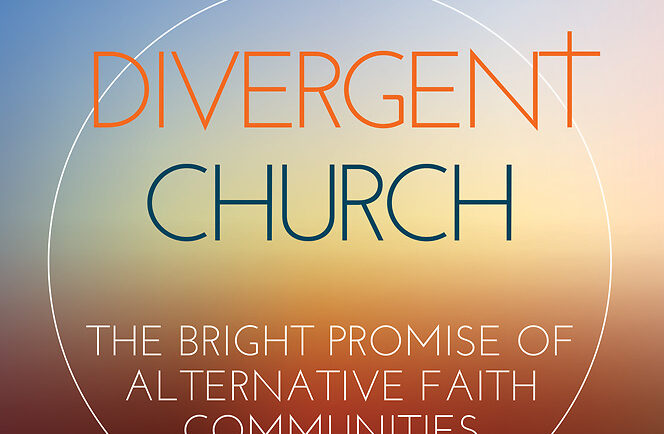
Tim Shapiro, a Presbyterian minister and the president of the Center for Congregations in Indianapolis, along with Kara Faris, who is on staff at the Center for Congregations, have issued a challenge in this book. They call the church to reach people who do not attend a traditional congregation. The authors give numerous examples of faith communities that have heard a call to share faith in unique ways. Most of the examples are not affiliated with denominations. But there is also a challenge to the mainline church to spin satellites that reach people in our community that churches are not impacting. The Presbyterian Church (U.S.A.) has a national program that fits this effort called 1001 New Worshipping Communities; they are formed as an outreach of a congregation or independently, and are included as examples in this book.
What makes these divergent churches unique are three things. First, they are “church plus.” Besides some form of worship, each has a ministry that promotes social good in the community. Social good is work that builds up a community and reduces human suffering. Secondly, these faith communities aim to bring deeper meaning in the experience of people’s lives. In the words of Paul Tillich, they address issues of “ultimate concern,” and give them “courage to be.” Thirdly, they are highly contextual, addressing a concern they heard in God’s call to them. The authors remind us that leaders need to find their own way. All of these congregations have a focus beyond worship and themselves.
Shapiro notes, “A new kind of a congregation is emerging, one in which tried and true practices are expressed in creative ways.“ These churches have intentional practices that keep them focused: shaping community (plan of organization), holy conversations (worship that includes feedback, discernment and response), artistic expression (responding to the Creator with artistic expression), breaking bread (communion and fellowship over meals), community engagement (bringing social good to their community in the name of Christ) and radical hospitality (making safe space for guests). The authors explain: “Practice is how people do things. Religious practice is how religious people (or people seeking God) do things.”
Some examples of these divergent faith communities include worship around activities like growing and serving food, collaborating with other nonprofits, providing resources for musical and theatrical performance, befriending the homeless and celebrating local culture.
This book gives traditional churches much to consider. How can we reach those who do not see the institutional church as making a difference in their lives? How can congregations go beyond giving charity to joining those they seek to serve in collaborative ministry? Where are the areas in our community where we hear Christ’s call to make a difference that will change lives?
Divergent churches have the potential to serve millennials who want more say in their lives, who want to make an impact in their community, who are willing to take risks and who give themselves to causes that extend their vision. If we are going to be nimble, sessions will need to free up more resources for creative ideas and be permission-giving, inviting easier access to start new initiatives. Tim Shapiro and Kara Faris have given sessions and pastors a challenge!
Allen D. Timm is executive presbyter of the Presbytery of Detroit.