 John Pavlovitz
Westminster John Knox Press, 188 pages
Reviewed by Laura Collins
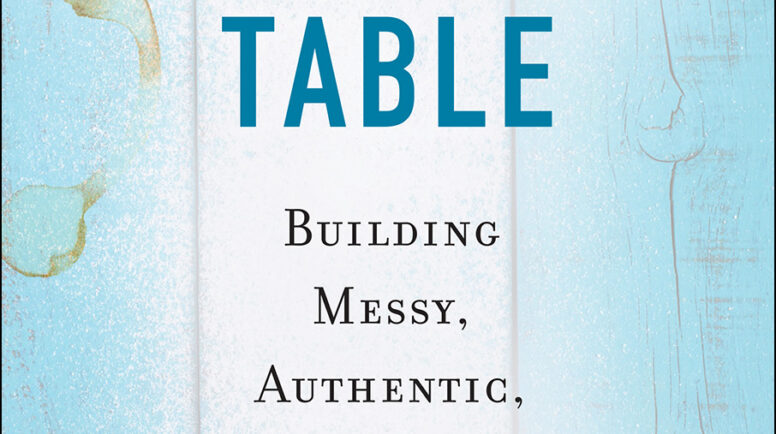
I first became aware of John Pavlovitz when his columns began trending on social media a few years ago. A former evangelical minister, he is an outspoken proponent for LGBTQ people, who were his “gateway issue” or the moral dilemma that started a reconstruction of his theology. “A Bigger Table,” his first full-length book, is part memoir, part manifesto and part exploration of what it means to be church. Like his blog, Pavlovitz’s book reads as a passionate (and sometimes confrontational) conversation. He hits hard against the tradition of counting souls saved as a measure of ministry and decries the recitation of orthodox doctrine as a sign of faithfulness. Instead, he offers a vision of church as the slow and sometimes awkward work of creating authentic relationships where people share the struggles and joys of living with faith and doubt as we try to follow Jesus. Pavlovitz weaves his own story through the book along with stories of people he’s met through his ministries both inside and outside the church, and connects them frequently with Scripture.
Never having been part of the evangelical megachurch culture, some aspects of the book didn’t resonate with me, but the larger issue of how to create spiritual community based in genuine connections and difficult diversity kept me engaged. His descriptions of what leads and keeps people away from churches rings true: “Ask people about their exodus from the church and many will tell you stories of their forced estrangement, of becoming reluctant prodigals wanting desperately to return home and no longer welcomed back … They’ll share how quickly they were made to feel dead to a group of people who had given them so much life.” While some of us in more progressive congregations might want to see this as a problem only for those churches that exclude LGBTQ folk or make women or divorced people feel like second-class citizens, Pavlovitz rightly notes how all of us prefer our own theological echo chambers, a table of Christians who think and talk like we do, who allow us to maintain a sense of moral solace in our own right-thinking. And not only do we prefer theological reassurance, Pavlovitz says, but we also prefer to maintain an emotionally comfortable distance from each other. “There’s a conspiracy of silence that Christians regularly take part in, a carefully controlled authenticity where we are selectively vulnerable, with just enough truth telling to ingratiate ourselves in the community but not so much that we unearth the really nasty stuff and end up on emergency prayer lists. … The very areas of our deepest need and greatest struggle are often the most neglected.”
Pavlovitz does not offer a multipoint agenda for creating the kind of messy church he envisions. He maintains that such schemas are problematic, placing barriers where we need bridges and ideas before people. “Part of agenda-free relationship is trusting the spiritual experiences of others, especially when they don’t match our own.”
“The Bigger Table” never refers to the emergent church, but adds to the literature of that movement with a personal tale of finding and losing one’s connection to church, while sketching vignettes of what a different kind of Jesus-loving community might look like.
Laura Collins is ordained in the PC(USA), lives in Asheville, North Carolina, and has served as a minister in four congregations.