
I just finished teaching a week-long class full of the most amazing people. Twenty-four students, all participants in the Presbyterian Church (U.S.A.)’s Southeast Asia Leadership Training Program, originated from 11 different countries: Burma, Taiwan, China, Philippines, Thailand, Laos, Singapore, Vietnam, Indonesia, Cambodia and Japan.
Every time I entered the classroom they were there and ready: all in their places with bright shining faces. I, for my part, tended to rush in a couple minutes late, a story on my lips about traffic, a parenting responsibility or a jammed printer that had stalled my photocopying. They would nod empathetically and hand me a fresh cup of coffee, smiling with anticipation, believing ahead of me (and nudging me along into that belief), that something wonderful was about to happen. And so I would offer the opening prayer, noticing that my praises and intercessions came from a more centered place than usual. The students’ very presence and confident faith buoyed me, lifting me up to being who I was not only as their teacher, but as their sister in Christ.
How did these students have so much joy? If they could bottle it, they would make millions. News reports tell us that happiness is at a premium these days. According to a recent article in New York magazine, Americans are fighting hopelessness and depression. The most popular course at Yale University addresses the question of how to be happy. Professor Laurie Santos teaches, in this class, that one way we can nurture satisfaction in life is by practicing gratitude.
Gratitude, eh? Score one for us Christians. Gratitude is something we’ve been recommending for ages. Appreciate God’s good gifts, we remind each other. Be grateful for what you have. Count your many blessings (name them one by one).
The 18th-century philosopher Gottfried Leibniz endorses the counting of blessings. He argues we notice the bad things about our lives more than the good things. If we were to tally up the good things, we would find, he says, that their number far exceeds our sufferings and woes.
Unfortunately, Leibniz’ argument turns sour when privileged people use it to keep marginalized people from naming their pain or speaking out against injustices. When a suffering person is advised to remember their blessings are greater than their pain, the risk is that they will be coerced into passivity rather than invited to live with gratitude and joy.
A gratitude-driven life does not depend on the scales being tilted more heavily to the side of countable blessings. On the contrary, it names and laments suffering, loss and injustice, pressing on even when there are but few discrete blessings to count.
I might consider Job’s example. But witnesses who come immediately to mind are the Southeast Asian students. As we traded stories in class, it became clear that the shining of their faces was not conditioned by their circumstances, capacities or even the influence of their individual lives. Rather, it was generated by their conviction that they are part of something bigger than themselves — by their belief that they participate in the Kingdom of God nevertheless.
I learned again from these friends a truth that is hard to hold on to in a world driven by tallying: Our joy is not preserved by minimizing or overwhelming the struggles of our lives. Rather, it is sustained and nurtured by the hope against hope that the God who enters into suffering with us also lifts us to participation in the life and work of God. We are part of this thing that God is doing, this new creation that is bigger than our circumstances, bigger than ourselves. And so we groan for redemption, along with all creation, shining with joy as we step toward its impossible possibility.
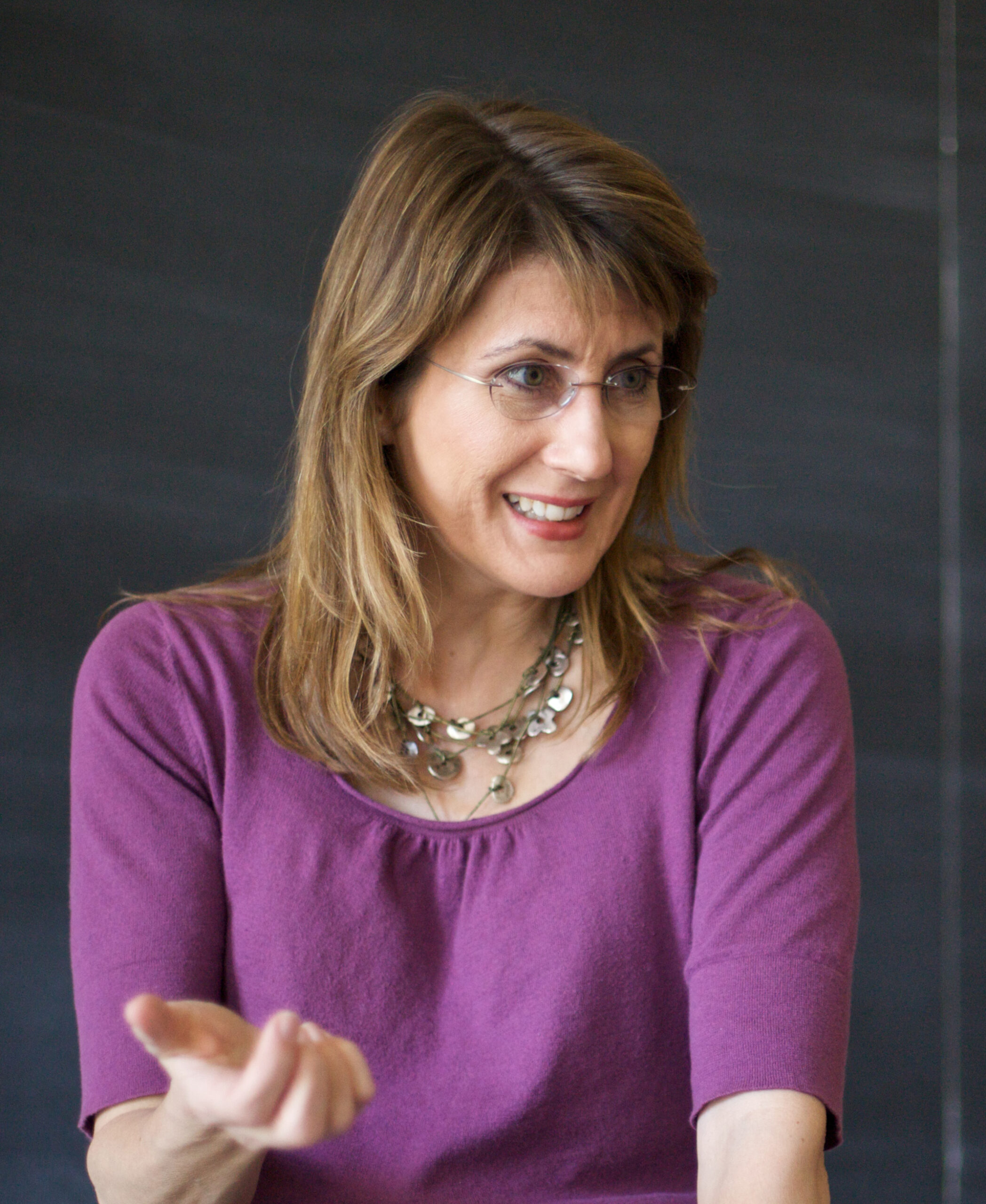
CYNTHIA RIGBY is professor of theology at Austin Theological Seminary.