It is a familiar litany: Seminaries are struggling to recruit students, there is an impending minister shortage and pastor burnout in the first years of ministry continues to be a major issue.
It is often assumed that the main issues to be addressed as we confront pastor burnout and improved pastoral training are spiritual health and practical ministry skills. I personally have participated in several high-quality programs designed to coach young pastors in leadership development, church budgeting and self-care. Yet, not one of these conferences addressed one of the most common challenges for both men and women in this younger demographic: parenting.
Attend any gathering of pastors in their 20s and 30s and you will probably hear a lot of questions like: How did you go about negotiating parental leave in your terms of call? Does the Board of Pensions cover fertility treatments? What do you do when the babysitter cancels and you have an evening session meeting to moderate? How do you plan around an all-day presbytery meeting when you are still nursing your baby? What does Sunday morning look like if your spouse is out of town and the toddler comes down with a fever?
Certainly not all pastors choose to have children, but for many, parenting and childcare are core issues during some of the most formative years of ministry. The problem of pastor burnout is rarely connected to addressing needs of parents and families, but the reality is that a lot of ministry happens outside of daycare hours. Unlike previous eras, most families now include two parents who work outside of the home. Quality parental leave for both women and men is a critical first step towards preventing burnout — and thankfully the last General Assembly has put together a working group to begin to address this long-overlooked issue. But parental leave is only one piece of the puzzle.
One of the primary programs created to address pastor burnout in the Presbyterian Church (U.S.A.) is Credo, run by the PC(USA) Board of Pensions. Recently I was a part of a small group of pastors who approached the Board of Pensions to raise concerns about policies that have made it difficult for many new parents to attend Credo, particularly nursing mothers. There is a well-intentioned requirement that participants travel at least 200 miles from home in order to “to meet and share with colleagues from across the country.” While this is a worthwhile idea, for many parents this means either arranging to cover the expense of extra childcare at home or, in the case of a nursing child, finding a way to bring a baby along. This extra level of logistics has been a deterrent for many pastor-parents from participating in Credo. Over the years, the program has also gained a reputation for not being willing to work with parents who have reached out for help. This has left many pastor-parents without the critical support Credo provides during the years of ministry when the risk of pastoral burnout is the highest.
Thankfully, our letter was graciously received by the Board of Pension representatives, who were in fact already at work rewriting and implementing policies to help provide on-site childcare and support for nursing mothers. I am encouraged that the Board of Pensions is working to change the culture of Credo when it comes to pastor-parent participation. This small example provides me hope that our church is slowing taking more seriously Jesus’ command to truly welcome children as a part of the life of ministry and the church. If we really want to invest in the next generation of pastors and prevent burnout, we have to recognize that parenting and pastoring aren’t mutually exclusive and make space for pastors to fully include their families in the life of ministry.
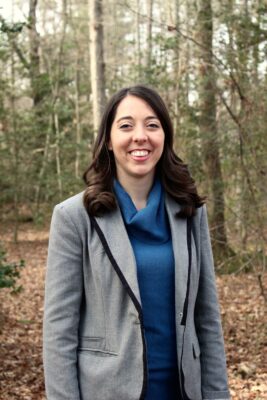 CAITLIN THOMAS DEYERLE is pastor of Southminster Presbyterian Church in Richmond, Virginia, where she lives with her husband James and daughter Abigail.