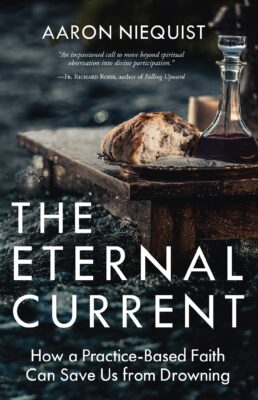
 Aaron Niequist
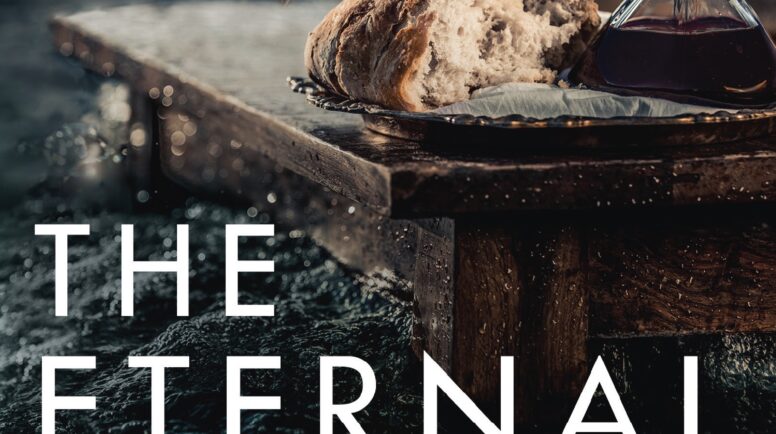
WaterBrook Publishing, 200 pages
I thought I knew, after reading the book jacket, exactly what I was going to write in this review. I was going to be a snob. Like in high school when I walked away from any conversation about music that wasn’t incredibly obscure. Like back in college when I used to sit and judge how uncool other people’s bicycles were compared to mine. After seeing Aaron Niequist’s name next to “Willow Creek” on the back flap, I geared up to be a church snob. Righteous would be my defense of the faithful, liturgical mainliners who never jumped ship.
But then I read the book.
As I read, pencil at the ready to underline any trojan horse attempts to co-opt liturgy, I realized how wrong I was to doubt Niequist’s sincerity and faithfulness.
The central argument of this book is that many churches have thrown the liturgical baby out with the bathwater. Niequist calls churches to hear God’s invitation to a deeper story of what faithfulness can look like. His story is one I hear more and more often: A young, evangelical worship leader thinks he is losing his faith only to discover that it’s actually deepening. Niequist uses his story, as it expands beyond the theological confines of his tradition, to explore what else is out there in the great ecumenical world.
I know I am not the primary audience for this book. I cringed a few times as Niequist wrote about common elements of Reformed worship as some new discovery. A time of confession in the worship service?! Gasp! But that is not the value of this book. The reality is that the mainline liturgical tradition has been just as stale as the evangelical non-liturgical tradition is seemingly becoming. Niequist gives the whole church something good as he looks at these ancient liturgical traditions with fresh eyes from a new perspective. When I finally got over myself about 25 pages in, Niequist’s insights started inspiring new ideas in me. Instead of filling the margins with snarky comments and criticisms, I filled them with new practices to try in my own ministry.
This book is accessible. Like a good preacher, Niequist often invites the reader to these ancient practices. He also strikes a delicate balance of connecting the reader with the historical voices of faith without overwhelming us with a too-detailed history and biography. He puts things in context swiftly, keeps momentum and leaves great bread crumbs for those wanting to go deeper in the endnotes.
Some of the sections seem geared toward pastors and worship leaders/committees, but others are clearly for the average churchgoer. This ambiguity of audience is a feature rather than a flaw. Niequist can inspire pastors like me to try out the things he’s suggesting, but his writing also reaches past the pastor’s study and into the parishioner book study. In its accessibility and invitation, “The Eternal Current” gives something of a jump-start to the consensus building necessary to make some of the changes to worship advocated for here.
Some people will only hear about how God’s bigger story is alive in the liturgical tradition from someone like Niequist. No one in a robe and Geneva tabs is going to connect the way he does. That, by itself, is a blessing. The additional value comes in how it starts to bridge this chasm in churches’ worshipping lives. May we all put our snobbery away and join together in the eternal current of God’s grace through Christ.
 Alex Wirth is a writer and pastor in San Diego. He is always looking for what the future of the church might be and good deals on old typewriters. Follow him on Instagram and Twitter @alexjrwirth.