Ever since its inception, Reformed Protestantism – the movement that gave birth to the Presbyterian Church (U.S.A) – has paid attention to empirical data to learn about God and God’s presence in the world around us. This was true in the 16th century when John Calvin appealed to the then cutting-edge science of astronomy to help him understand that the words of Genesis 1 do not communicate a literal account of how God created the universe. In a similar manner, contemporary biblical scholars and theologians make use of secular disciplines from archeology to neurobiology to help them understand Scripture and God’s continued presence in the world. Empiricism allows us to embrace such ideas as a heliocentric solar system and racial equality, and to baptize them as “Christian,” despite a certain amount of biblical ambiguity on both subjects.
This Reformed inheritance of empiricism comes to my mind when considering current events in Afghanistan. After two decades and trillions of dollars, America failed to secure peace and to establish a secular, democratic, Western-style government committed to human rights in Afghanistan. Given those facts, it might be time for American Presbyterians to make another appeal to empirical data as we reassess our commitment to the “just war theory” — the notion that military violence can be used to make peace or to vouchsafe human rights and the rule of law.
I believe that a sober assessment of human history shows us that war never leads to a just peace. Rather, the opposite is true: military violence always begets more violence. Warfare is an ineffective way of furthering the cause of human rights and the rule of law. Unfortunately, these empirical truths are evident in the history and current situation of Afghanistan.
The ongoing violence in Afghanistan is a remnant of Cold War violence between the occupying army of the Soviet Union and the U.S.-backed Mujahedeen — now known as the Taliban. The Cold War is a legacy of leftover violence from World War II, which was fought in the aftermath of the First World War, which, in part, was fought over unresolved issues from the Franco-Prussian War, and so forth. A capable historian could draw up a family tree of war connecting modern American military violence to the rise and fall of ancient empires. With each passing generation, military forces get bigger and more effective, but still, no military violence has ever established complete peace.
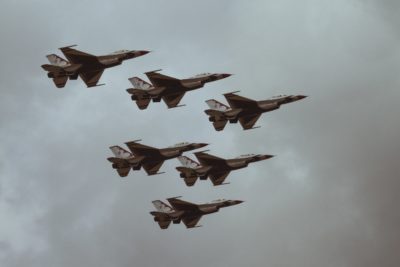
This year, the world re-learned this tragic lesson yet again as Afghanistan, once more, fell under Taliban control. The failure of war is also on full display as the United States continues to inflict violence in Iraq, Syria, Yemen, and in various parts of Africa. All told, the post-9/11 American War on Terror has killed nearly a million people, many of them civilians. What we’ve gotten from the killing is not peace. In fact, if history is a guide on such matters, we can expect cycles of violence in the places where the United States is waging war to spin on for generations.
It is therefore time for Presbyterians to revise the trust we place in military violence.
But will we learn from the empirical data available to us, or will we continue to support the tragic futility of war? And how can we love and support those whom war affects – not only innocent citizens but our soldiers?
Here it probably is important to note that rejecting military violence is not the same as doing nothing. On its website, the Presbyterian Peace Fellowship has listed several actions individuals and congregations can do to work toward a more just and peaceable way forward in the aftermath of the American withdrawal from Afghanistan. These actions include political action, charitable opportunities, and spiritual resources for the work of building a future that is marked by peace.
My prayer is that we will embrace the better angels of our tradition, pay attention to the empirical data, reject violence, and live as actively engaged citizens belonging to the Prince of Peace.
 Ben Daniel is the pastor of Montclair Presbyterian Church in Oakland, California, and is the author of three books: Neighbor: Christian Encounters with “Illegal” Immigration, The Search for Truth About Islam, and Thoughtful Christianity. His writing has also appeared in a wide variety of local, regional, national and international print, broadcast, and online media.