Sports as holy ritual
Growing up, our weekends revolved around football.
Large swaths of time were set apart — sacred, untouchable hours — when my sister and I lost custody of the television and my father settled in for what felt like liturgy in shoulder pads. The commentators droned like clergy. The snacks appeared like communion elements. The emotional highs and lows were dramatic and unrestrained.
Football was the great love of most of my family and friends.
I just didn’t get it. I was bored. Restless. Mildly resentful of the time it consumed. I assumed sports simply weren’t “my thing.”
As an adult curating my own weekends, football quietly disappeared from my life. And then, someone invited me to a Florida State Seminoles women’s basketball game.
I caught the bug.
The game was electric: fast, unpredictable. Power and agility danced together on the court as the crowd cheered and held our collective breath. For the first time, I understood fandom. It wasn’t just about the sport. It was about belonging.
Why March Madness matters
Which brings me to March.
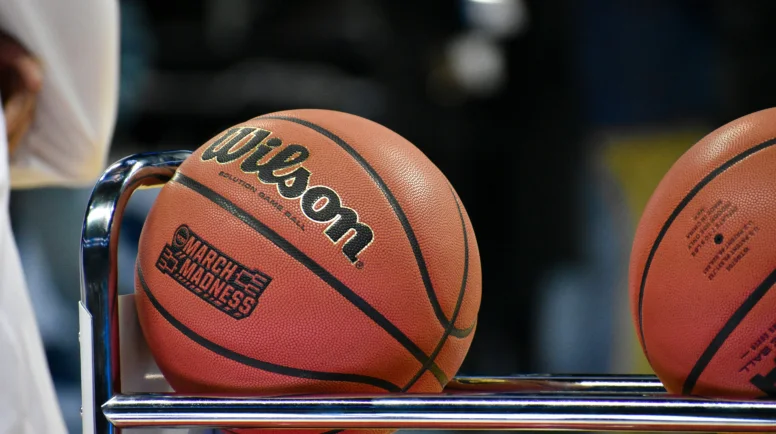
Every year, when the brackets come out for the NCAA Division I Basketball Tournaments, something collective happens. Office pools form. Text threads ignite. People who haven’t watched a single game all season suddenly have very strong opinions about a 12-seed upsetting a 5-seed.
It was once said to me that the quickest way to turn a “me” into a “we” is sports. I think that’s true.
And in a time when so much in our culture fractures us into tribes and algorithms, March Madness feels like a gentle counterpoint. It is competition without existential stakes, rivalry without permanent division.
My dad still loves football. But he loves all sports, really. And every March, we find ourselves talking more often. We compare picks. We tease each other. We pretend we knew all along.
March Madness democratizes participation. It welcomes the knowledgeable and the clueless, the old and the young. It makes room for serious analysis and wild guessing. It invites the hyper-competitive and the casually curious. Whatever kind of participant you are, your odds of picking the winning team will likely not improve.
That is part of the beauty: It creates a temporary commons — a small patch of cultural ground where anyone can belong.
Why shared rituals still matter
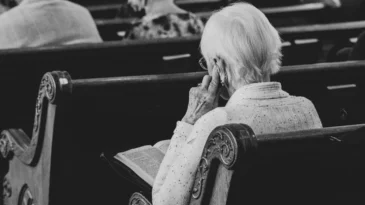
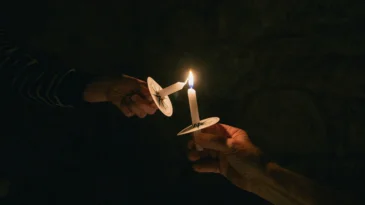
The church knows something about setting apart time. We call it liturgical seasons. We move from Advent to Christmas, from Lent to Easter. The rhythm shapes us. We do it together.
March, in its own cultural way, does something similar. It announces that spring is coming. That long winters end. That energy is returning. That we are ready to gather around something shared.
Is basketball salvific? Of course not. But communal joy might be.
And for a few weeks each March, we remember what it feels like to belong to a “we.”