
Discovering sustainability as a church
Tim Hart-Andersen argues that church vitality is not about relentless growth but about long-term sustainability and Spirit-filled adaptation.


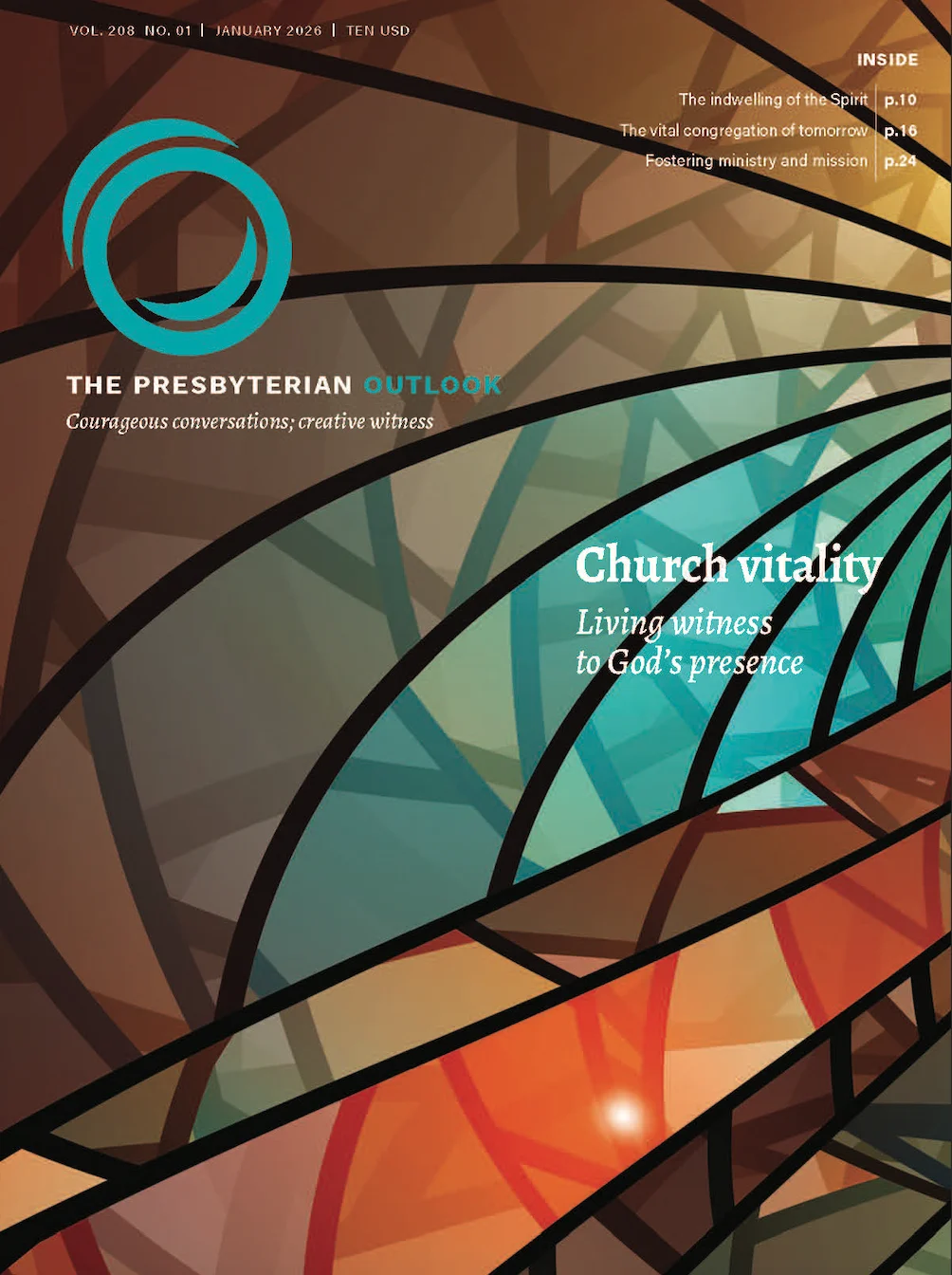
Church vitality is more than a measure of numbers or programs; it is the pulse of a community that believes God is still moving among us.
In congregations large and small, vitality shows up in many forms — in the courage to try something new, the tenderness to meet people where they are, and the resilience to stay rooted when the ground shifts.
Vital congregations and ministries understand that ministry is not static. And whether tending to long-standing traditions or experimenting with fresh expressions of faith, vitality asks us to look honestly at who we are and who our neighbors need us to be. It calls us to notice deeper signs of life: authentic relationships, shared mission, spiritual curiosity, and a willingness to be transformed.
What does it mean to thrive rather than merely survive? How do we nurture congregations that are both faithful and flexible? This issue of the Outlook explores those questions with honesty and hope.
Through stories, research, and reflections, we invite you to imagine ministry not as a checklist but as a living witness — one that grows, learns, and leans into God’s ongoing work of renewal.
Tim Hart-Andersen argues that church vitality is not about relentless growth but about long-term sustainability and Spirit-filled adaptation.

In "Against the Machine," Paul Kingsnorth offers a prophetic, if alarmist, diagnosis of Western civilization’s collapse, ultimately calling the church to become a sanctuary, writes Blaine Crawford.
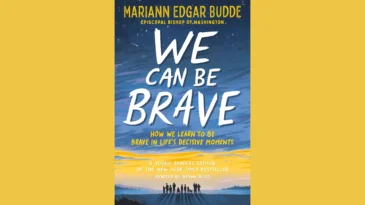
In "We Can Be Brave," Bryan Bliss adapts Mariann Budde’s call to courage for young readers — weaving faith, fear and hope through stories both sacred and familiar. Amy Pagliarella offers a review of the book.
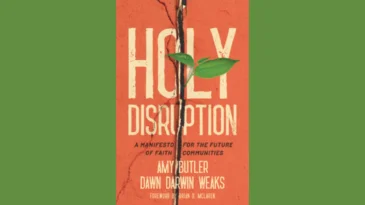
In "Holy Disruption," pastors Amy Butler and Dawn Darwin Weaks tell bold, hopeful stories of congregations that looked outward, listened to their neighbors, and invested their resources for justice. — Amy Pagliarella
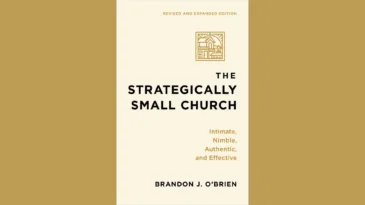
Brandon J. O’Brien reframes small-church ministry as a gift, urging leaders to move beyond numerical growth metrics toward community-rooted, sustainable measures of faithfulness, writes Jo Wiersema.

What do we do when Jesus feels absent — and the work feels impossible? Kate Murphy offers a reflection and some hope.

Amid PC(USA) decline, a new church growth network reframes growth as faithful, sustainable mission rooted in vitality, not gimmicks, writes Josh Erickson.

A tiny church faced COVID with an unexpected choice: save itself or give itself away. What happened next reshaped an entire town — and reached across the globe, writes Robert Barrett.

Church decline doesn’t mean faith is disappearing. It means congregations must rethink metrics, mission and community impact, writes Mark Elsdon.
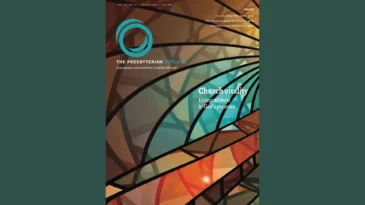
In each issue of the Outlook, we include a discussion guide to further reflect on the issue. We recommend using this guide in your Bible study, small group or book club. It's our invitation into a faithful conversation.

Small churches aren’t inadequate, writes Teri McDowell Ott. When congregations trust their God-given gifts, they rediscover confidence and shine as Christ’s light.

In this Bible study, Rosalind Banbury explores how the Apostle Paul’s letter to the Philippians teaches that lasting joy and peace in anxious times are cultivated through partnership in the gospel, gratitude, gentleness, and prayerful rejoicing in Christ.

Funding seeds programs at seminaries, synods and in agencies.
© Copyright 2026 The Presbyterian Outlook. All Rights Reserved. Privacy Statement. Website by Web Publisher PRO