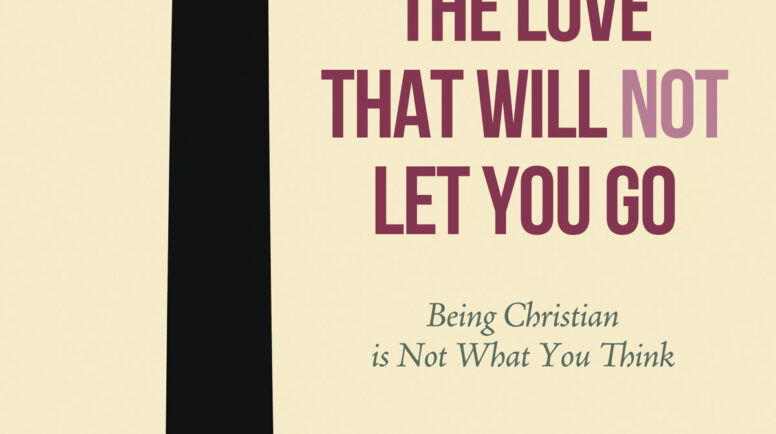
 by Douglas Heidt
Wipf & Stock, Eugene, Ore. 140 pages
REVIEWED BY LOUIS WEEKS
Retired pastor Doug Heidt says he wrote this book for his grandchildren, the rest of his family and others he “loves.” A study in pastoral theology, it begins with a personal statement of Heidt’s Christian faith and the core of his belief — that God = Love. He remembers some who nurtured his faith and how he came to believe from the experience of Love (which he capitalizes throughout).
Christianity, he explains, is not a set of beliefs to which people give assent, especially not of beliefs that exclude others and judge the righteousness of people. He illustrates this assertion of “what Christianity isn’t” with words from farmers, scientists and others who say they want no part in such a system. “The Love that is the essence of the Christian faith cannot be fully assimilated as part of intellectual information.” According to Heidt, this is a primary reason so many remain unaffiliated and skeptical today.
“Being a Christian isn’t what you think, it’s what you do,” he counters. “Being a Christian is the decision, the intentional will, to Love your neighbor, putting Love into practice and investing in Loving-kindness. It is celebrating universal, forgiving, never-ceasing Love, and figuring out new ways to give it away.” Heidt then looks at the church, the Bible, the Christian narrative and what he terms “the reality of goblins” in light of the core of the faith in loving others and thereby loving God. His treatment of “goblins,” the real evil encountered in the world today, rings true and remains constructive. We cannot understand sin and evil, but they are overcome with God’s Love, by God’s persistent Love. At the heart of it, for Heidt, is the promise related in Romans 8:28. “Here is my loose, but, I believe, literal translation,” he writes: “We know that to those who experience the Love of God, who are filled with yearning for that Love to guide and complete their lives and all of life — to them it is clear that in all of life’s moments, events, and people, God is working for good.” (This is the first of two personal translations of the verse from the Greek.)
1 John 4:8, of course, is a central text: “Whoever does not Love does not know God, for God is Love.” But Heidt also illustrates the truth of the theme with stories from the Bible, from congregational life and from the actions of people he has known. He concludes with a generous interpretation of the nature of eternal life and restates the centrality of the practice of Love. The Spirit quickens our hearing to “affirm that our destiny at the end of this life is as God promised.” We “and all creation will be with God.” We will be “embraced in the Love that will not let us go.” To the dozens of books on Christian practice published recently, here is one more, written from the heart and seemingly innocent of the scholarly exploration of various discreet practices. But it certainly confirms in clear terms the turn today from considering the Christian faith as primarily an intellectual enterprise toward seeing the faith as “doing Love.”
It’s a fine book for mature Christians and skeptics alike. Thanks, Doug.
LOUIS WEEKS was president and professor of historical theology at Union Theological Seminary in Richmond, Virginia. He is now retired and living in Williamsburg, Virginia.