Guest commentary by Sarah Craven
As we stood in the midst of a genocide memorial where over 50,000 people were buried and bones from the victims were displayed in room after room, I was reminded of Ezekiel’s vision of the dry bones. “Mortal, can these bones live?” Ezekiel’s response was “O Lord God, you know.”
How do you come back from the violence and trauma that Rwanda experienced years ago? How do you forgive and reconcile neighbors and friends when you’ve faced the devastation of over a million people dying in about three months? Can you find hope and a future in the midst of such heartbreak?
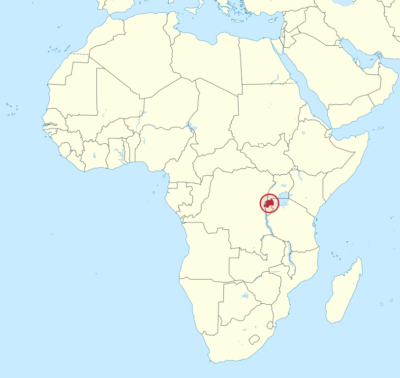
In the middle of Lent, I joined the Presbyterian Peacemaking Program on a travel seminar to Rwanda to study and learn more about the 1994 Rwandan Genocide and the forgiveness and reconciliation process in the 25 years since.
Since serving as a Young Adult Volunteer in Belfast, Northern Ireland, I have been interested in how the church helps foster healing and reconciliation in their communities. As an undergraduate anthropology major, I know that every context and culture’s response is unique, but it is important to learn from our brothers and sisters so that we can not only support them in their efforts, but respond more fully in our own communities.
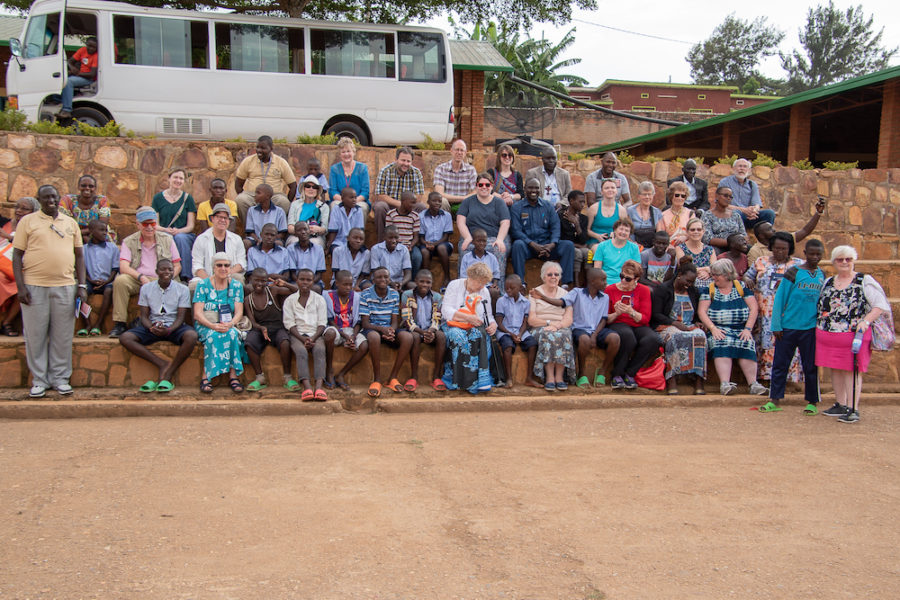
We traveled to Rwanda as a diverse group of misters and laypeople from not only all over America but also with a delegation from South Sudan and one Kenyan, which gave a deeper and richer dialogue as we learned from many Rwandan leaders. While we read and prepared for the trip beforehand, the relationships built over the two weeks were invaluable.
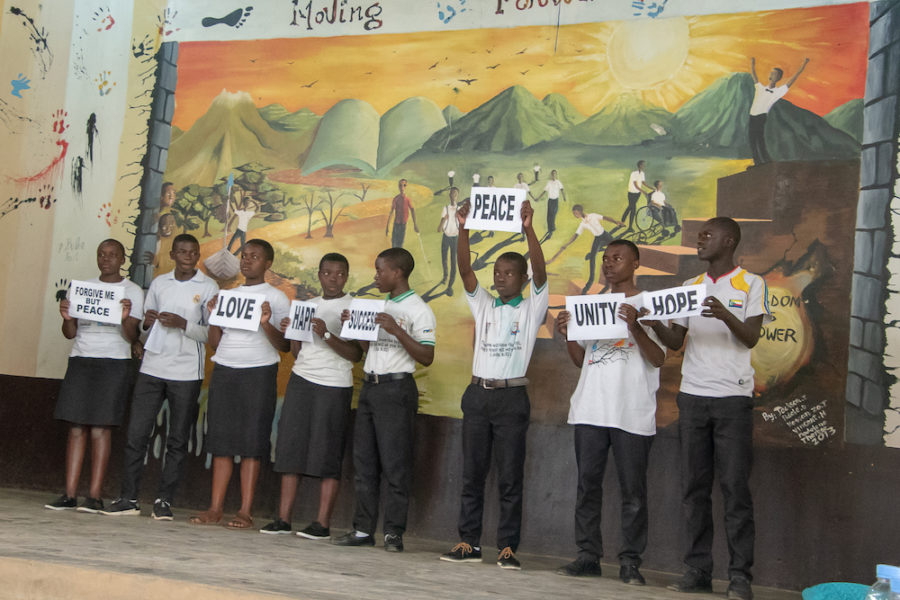
Together in Rwanda, we tried to gain a greater understanding of what happened. We visited many genocide memorials that told and showed the story. We met with government officials, church officials and those working in schools to further education on peace and conflict resolution.
We were humbled to hear the firsthand experiences of those who lived through the genocide by meeting with different groups working with survivors and perpetrators to bring forgiveness and reconciliation. They are slowly rebuilding their communities both physically and spiritually.
As we met with all these different groups of people, a few in our group kept struggling with the question, “How can you turn against your neighbor you’ve lived beside for years all of the sudden?” The answer isn’t simple, and the dynamics involved really didn’t happen in a moment, but had been building for years (truly since colonial times). We would like to imagine that we would never be able to do something similar.
I’m glad we were traveling in the midst of Lent — a time when we consider our individual short fallings and our collective need for God’s grace and forgiveness through Jesus Christ. A time when we remember we are all human and make mistakes, small and large and some with consequences we don’t foresee. We aren’t perfect and neither is the church. There were many mistakes made in Rwanda leading up to and during the genocide by individuals and the community at large. Over time division was nurtured instead of remembering the Rwandan’s commonalities: one language, one culture, one people. Our time in Rwanda reminded us of the power of our words and actions — and also, sometimes, our inactions. I was reminded of how slowly we can become desensitized and begin to believe there is an “other” without consciously making that choice.
After the genocide, the Presbyterian Church in Rwanda reminded me that the first step, and sometimes not the most popular step, in finding reconciliation is to admit the wrong that we’ve done and ask for forgiveness. Many of the Rwandans talked about how important forgiveness can be not after the pain is gone, but in the midst. They take Jesus’ example from cross saying, “Father, forgive them they know not what they do,” as their model for this.
Forgiveness and reconciliation are part of a process that even 25 years later takes work every day. And just like the genocide didn’t come about in one day, the road to forgiveness and reconciliation is one that years later is still an active choice for each person. There is still pain and mourning.
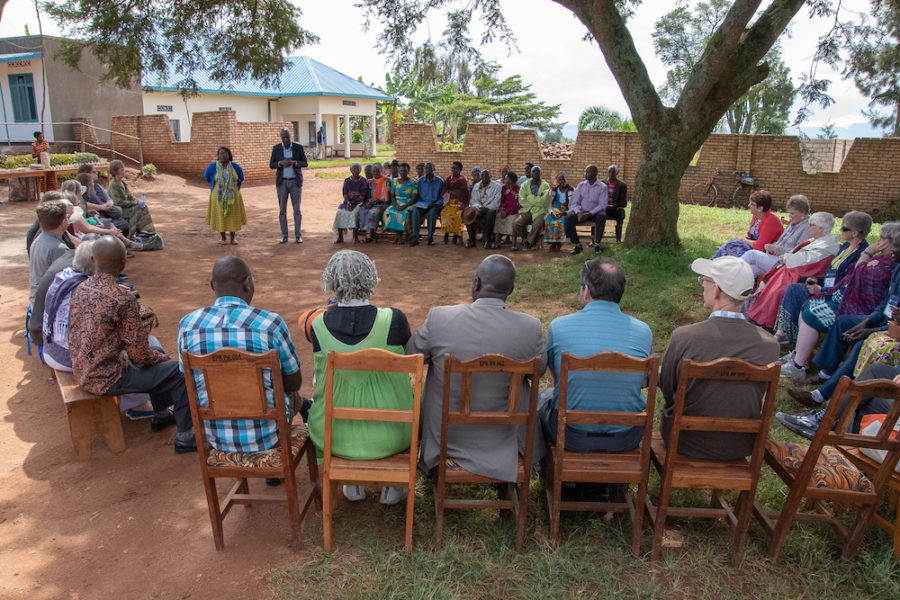
One woman, who lost most of her family and now participates in one of the groups of survivors and perpetrators working together, mentioned to a member in our group that sometimes she wakes up and senses that forgiving and seeking healing that day won’t be easy. Sometimes she feels like she is taking a step back and wants retribution. One of the men who had participated in the genocide then spoke up and said that on those days they stand by her and they walk with her through the emotions and meet her where she is at in the process. They choose to move forward together however long that might take.
As a Presbyterian, understanding how we are a connectional church not only nationally but globally will always be a high priority for me. So this trip was worth both my study time and my personal financial investment (along with support from both my presbytery and church).
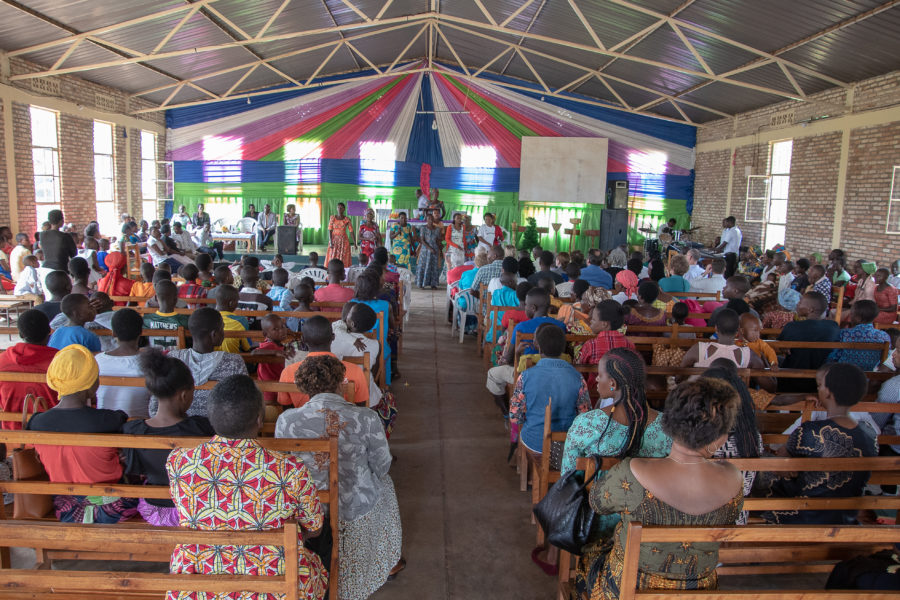
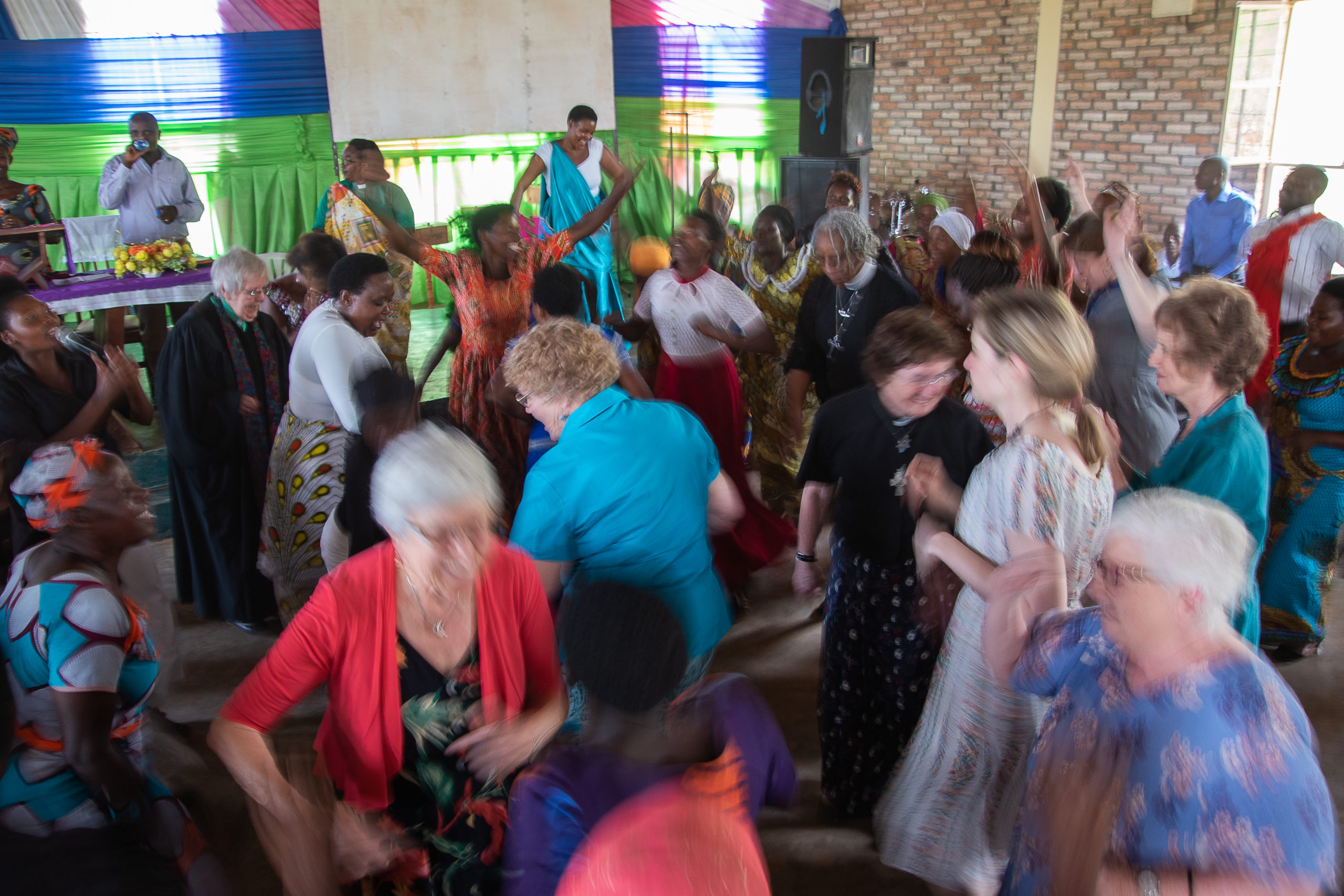
I will continue to reflect and process my time in Rwanda. As I worshipped and danced and sang alongside the Rwandans one Sunday, I was filled with hope that the Lord continues to work in places of such devastation, places that can seem hopeless to us. I’m reminded that we must be careful with our words and actions, but we not be afraid to admit when we’ve made mistakes and ask for forgiveness. And at the end of the day, I hope we remember what unites us more than what divides us. I hope every person we encounter – whether American, Rwandan, church member, co-worker, best friend or the person who has wronged us – we see as a child of God, beautifully and wonderfully made.
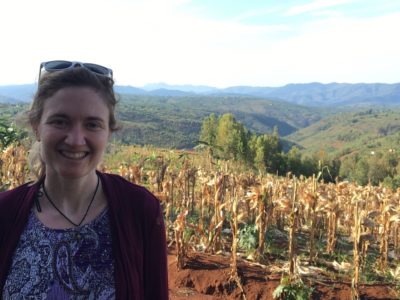 SARAH CRAVEN is the associate pastor at Trinity Presbyterian in Cherry Hill, New Jersey. A lifelong Presbyterian and Young Adult Volunteer alum, she continues to seek opportunities to learn more about how faith and culture intersect.