 Guest commentary by Steve Salyards
GA or not GA? That is the question.
Presbyterians in the Presbyterian Church (U.S.A.) are watching and speculating about the 224th General Assembly that has been on the calendar for June. At the same time, our fellow Presbyterians in the Church of Scotland and the Presbyterian Church in Canada have already cancelled their assemblies — and I would not be surprised to see more cancellations announced.
Is the PC(USA) on that list? The short answer is almost certainly “no.”
 The section in the Book of Order on General Assembly meetings (G-3.0503) begins, “The General Assembly shall hold a stated meeting at least biennially.” Note that “shall” in there. We Presbyterians take that word seriously. It’s not “shall ordinarily,” and there are no provision for exceptional circumstances. So it is a good bet there will be a 224th General Assembly of the PC(USA) this year.
So the question is not if, but what?
Let’s begin by looking at the minimum action that a General Assembly needs to take under the constitution. We find two specific required actions in the earlier Book of Order section about councils in general.
The first is that “each council higher than the session shall elect a moderator for such terms as the council determines” (G-3.0104). So the General Assembly needs to elect a moderator or co-moderators. The second requirement is that “each council shall prepare and adopt a budget to support the church’s mission within its area” (G-3.0113). At the present time, the GA adopts both a per capita budget and the mission budget (although a report coming to this GA may modify that).
So, what would a minimal General Assembly look like?
Presuming it would be done entirely online, everyone would log on the morning of Saturday, June 20, and have their commissioner status verified. At the appointed time, the co-moderators of the 223rd General Assembly would call the meeting to order with prayer and then entertain a motion to suspend the standing rules. This requires a two-thirds vote and is necessary to work around all the commissioner committee structure and other pieces of GA we are so familiar with.
This streamlining could also be accomplished by adopting a number of amendments to the standing rules by majority vote, but this would need to be undone at the next meeting. A couple of temporary standing rules could be adopted to fit the situation and one of these might be a modified process for electing the co-moderators. Then there would be election of the co-moderators, installation of the successful team and thanksgiving for the the outgoing co-moderators.
The business before the assembly could be dealt with in a series of omnibus motions. Reports can be received, actions that can be handled by other bodies referred to them and those items that can’t (like overtures) referred to the 225th General Assembly.
There may be a few business items that require the action of this General Assembly that would be adopted on a consent agenda or debated and voted on. Finally, the budgets would be adopted, the benediction given as the closing prayer and GA would adjourn for two years. Online worship, including virtual communion, could be added and still keep it under eight hours.
How about at the other end of the spectrum: Could a full General Assembly be held?
Presuming that the GA cannot be held at the specified time and place, there are a couple of possibilities here. One would be to convene online on June 20th for long enough to constitute the GA and then adjourn the meeting to a date later in the year or next year to be able to meet in person and resume the adjourned meeting.
Another option, which appears to be under serious consideration, is to hold the full General Assembly – in all of its usual formality and parliamentary grandeur – completely online. This would take a significant amount of logistical planning for the two days of commissioner committee meetings when typically just over a dozen individual committees are meeting, holding open hearings, listening to overture advocates and agency representatives, and crafting their recommendations on items of business. It would however be a boon for us GA junkies to be able to virtually sit in on multiple committees at once. But accommodating commissioners across four or more time zones could be a challenge.
Considering the complexity of a full virtual meeting, and having only three months to put it in place in the midst of a pandemic, it seems more likely that some less complex, probably multiday meeting would be arranged. This would allow commissioners to identify what needs to be done, defer non-essential matters to the next assembly and create some administrative commissions to handle more complicated items.
What will happen?
At the moment the Office of the General Assembly is very busy with all of this — not just discerning how to move forward, but working on rolling back all the arrangements that are in place for the in-person meeting in Baltimore.
So, what will the 224th General Assembly look like? It’s an interesting question to ponder, and I am sure there will be some Monday morning quarterbacking when the GA is over. But for now, we can ponder the question until April 17th when the OGA announces the new arrangements. Stay tuned.
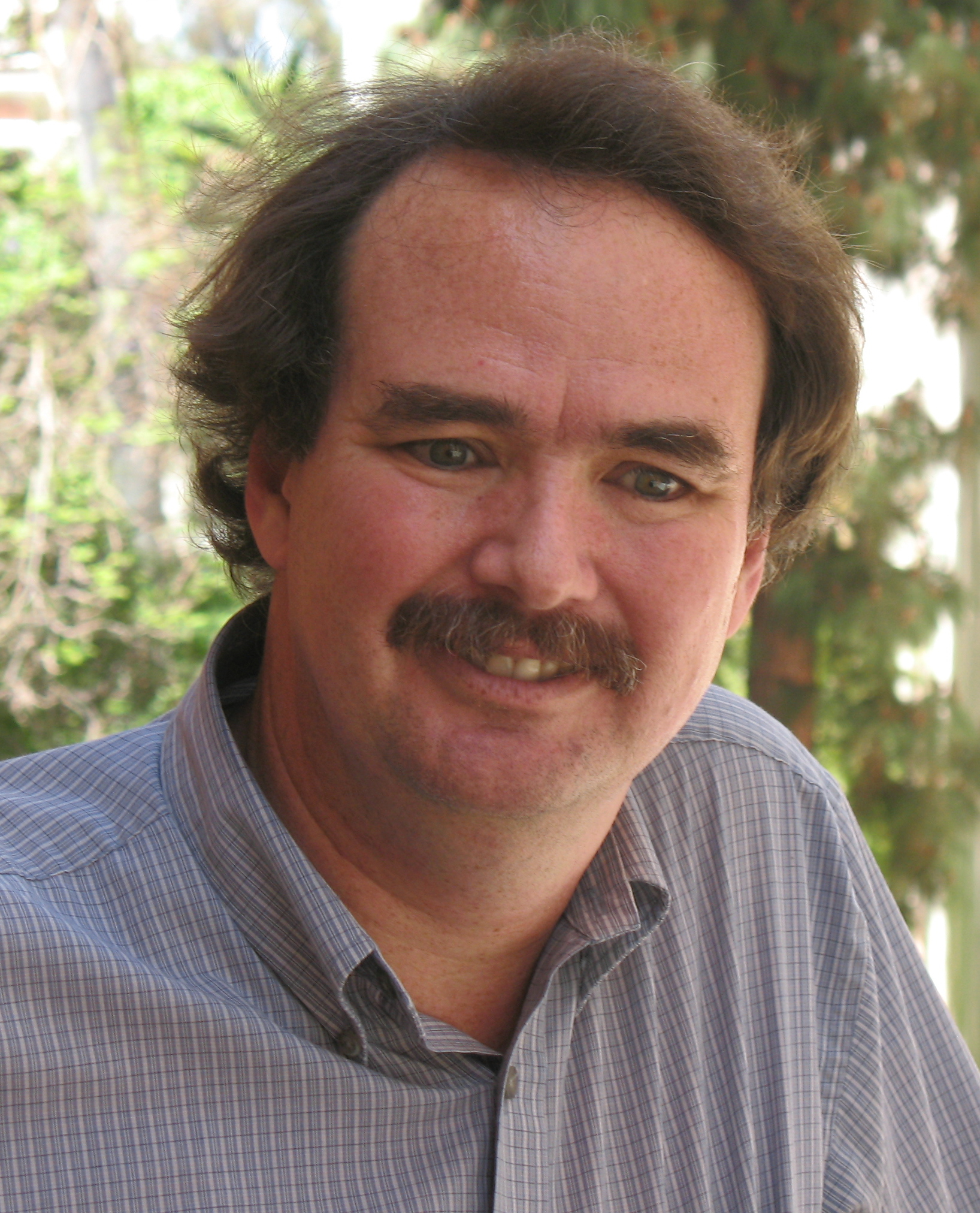 STEVE SALYARDS is a ruling elder living in La Verne, California. He is a semi-retired geologist teaching online classes at Hope International University, writes the GA Junkie blog and has been active with his presbytery and synod.