

Two things I know about worship.
I went to the movies recently to be entertained and I ended up being spiritually inspired.
Metrics sound dull, maybe even irritating.

Do you think Jesus enjoyed his triumphal entry? Did he enjoy the adulation in those crowded streets in the way a young preacher enjoys affirmations in the post-worship narthex?
As the recession forces church leaders to rethink their spending plans, here are some guidelines for making cuts.
Congratulations go to Wabash Presbytery. It has graciously dismissed three churches to the Midwest Presbytery of the Evangelical Presbyterian Church.

James Calvin Davis explores sports, theology, and culture, arguing that football can reveal divine beauty, virtue, and human creativity.
“I visited this church,” said a leader attending a membership development workshop, “and I could get into the main door, but I couldn’t find the door into the sanctuary.”

Mark 11:1-11
This story it set within the bounds of Mark’s overall narrative of Jesus’ passion;
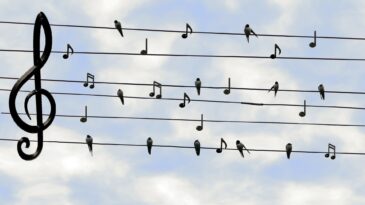
On the bulletin board in the choir room at the Pasadena Church, there was a poster with a line drawing of someone in a choir robe and the caption: “The one who sings prays twice.”
So, after three years of talking about the new Form of Government Task Force project, the Outlook has finally succumbed to the temptation to put fog on the cover. Our self-restraint grew faint. Ah, well...
Last summer, the General Assembly essentially decided that the Presbyterian Church (U.S.A.) was not ready yet to make a clear decision on the recommendations of the Form of Government Task Force.
Effective planning requires both high-level strategy and ground-level tactics. Today let’s “get granular” and examine a tactic in Membership Development.
Editor’s Note: The OUTLOOK reported recently that the membership losses that have been shrinking mainline denominations now appear to be impacting the Roman Catholics and Southern Baptists.
On a cold January Sunday morning in Austin, my wife and I woke up wanting bagels — warm and fresh from a local bagel shop near the University of Texas.
March 9, 2009 - So now I better understand the frequent complaint of Parker Williamson arising from times when he has been..
Christian educators don’t gather at their annual APCE conference (see p. 6) to hear statistical analyses of denominational growth trends.
The heart of any effective Communications Strategy is a radical commitment to communicating information. You have to believe that constituents need and deserve information in order to participate effectively.

Mark 8:31-38
Editor’s Note: This devotional is the second of seven to run in the Outlook in observance of the 2009 Lenten season. They are based on the lectionary texts for each week.
In this season of leadership retreats, it’s important to focus on trust and communications.
It’s amazing, isn’t it, how much our lives have been shaped by conversations — from those first listening-only conversations with doting parents to the pastor’s final visit at our bedside; from the teacher showing us how to draw to the police officer asking if we know how fast we were driving; from comparing Christmas gifts with neighbor kids to the domestic disagreement between spouses; from the class discussion to the flirty introductions with the eHarmony date; from the lengthy love letters to the telegraphed text messages. Conversations define our lives.
The presbyteries are beginning to debate and vote again on the controversial “fidelity-and-chastity statement” in our Book of Order (G-6.0106b).
Now he’s gone and done it. Clark Cowden, the executive presbyter of San Diego Presbytery has questioned the structure of our General Assemblies. He has said that the whole week of deliberation and decision-making is broken (p. 11).
They say a pastor at Church of the Heavenly Rest, on Manhattan’s Upper East Side, built his congregation by standing outside the doors on Sunday morning and inviting passers-by to come inside.

Mark 1:9-15
Editor’s Note: This devotional is the first of seven to run in the Outlook in observance of the 2009 Lenten season. They are based on the lectionary texts for each week.
© Copyright 2026 The Presbyterian Outlook. All Rights Reserved. Privacy Statement. Website by Web Publisher PRO