

Andrew Taylor-Troutman offers the perfect recommendation for anyone who likes thinking about God and baseball.

In the heat of competition, we forget the bodies we are watching are risking health and well-being in the game or match we find entertaining, writes Patrice Gaines.

After Hurricane Helene, neighbors came together in unexpected ways — sharing meals, resources, and stories. For pastor and theologian Paul Galbreath, these gatherings took on a deeply sacramental meaning.
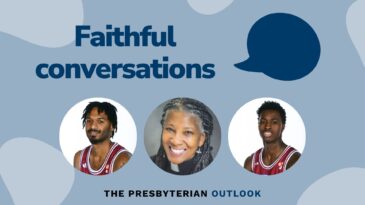
Presbyterian College athletes Jamahri Harvey and Kory Mincy tell L. British Hyrams how their faith communities are both balm and resource.

Sometimes, the biggest victories come off the field, writes chaplain Maggie Alsup.

Should pastors seek a coach or a spiritual director? Spiritual Director/Clergy Coach Kerra Becker English offers her thoughts.
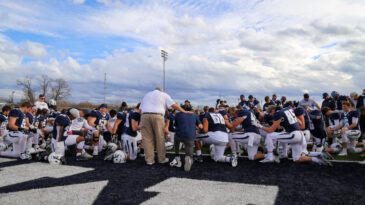
Journeying together on and off the field of play is to be open to what God wants, says Jim Mohr.
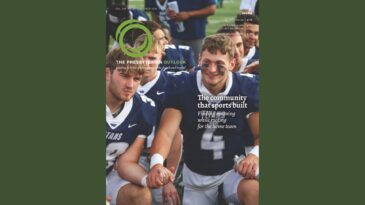
In each issue of the Outlook, we include a discussion guide to further reflect on the issue. We recommend using this guide in your Bible study, small group or book club. It's our invitation into a faithful conversation.

Walter Canter reflects on how sports taught him to meditate — a feeling he now experiences in worship.

Biking 326 miles across Ohio taught Lucus Levy Keppel that cycling is more than a physical challenge — it’s a spiritual journey.
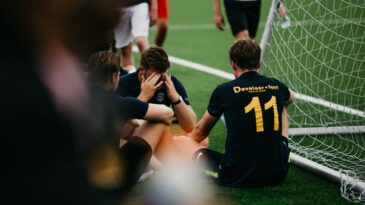
Losing is painful. According to professional athletes, it can also lead to growth, writes Andrew Taylor Troutman.
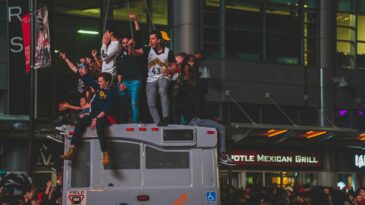
Professional sports has become "one of the ways in which we make meaning and tell our own stories," writes Scott Hagley.

Can the church embrace change without losing its core identity? Matthew Rich looks at MLB for inspiration.
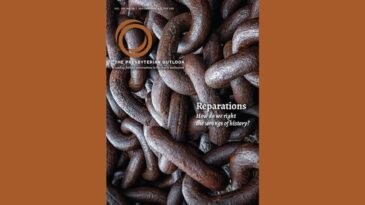
In each issue of the Outlook, we include a discussion guide to further reflect on the issue. We recommend using this guide in your Bible study, small group or book club. It's our invitation into a faithful conversation.

In honor of National Suicide Prevention Month, Elana Keppel Levy pushes against the teaching that those who commit suicide go to hell.

Katy Shevel reflects on the challenge and gift of maintaining friendships through adulthood and life's different seasons.

Is fitness America's new religion? Rose Schrott Taylor explores how boutique workouts like Peloton go beyond physical training, offering community, meaning, and transformation.
Teri McDowell Ott's athletic journey taught her more than just speed. It showed her the meaning that goes beyond talents.

Shea Watts shares Covenant Presbyterian Church’s decision to remove stained-glass windows depicting Confederate figures.
Dartinia Hull interviews Paul Roberts, president of the Justice Center for Sacred Theological Studies, on repairing the breach and healing our souls.

Could fun be what we need to draw us closer to each other and the Lord? Tracey Davenport shares her church's ministry of Fantasy Football.

Jermaine Ross-Allam offers an introduction to the purpose of the PC(USA)'s Center for the Repair of Historical Harms, where he serves as the inaugural director.

Gratitude to God inspires us to admit and apologize for our denomination’s role in historical harms, writes Jermaine Ross-Allam.

We need a conversation about how our faith will factor in this election. — Jim Wallis

Confronted with school shootings and stale prayers, new mother Meagan Kelly pleads: Fix it, God.
© Copyright 2026 The Presbyterian Outlook. All Rights Reserved. Privacy Statement. Website by Web Publisher PRO