
How reading theology saved my faith
Daniel J. Ott explores how theology moves from ideas to action in real communities.


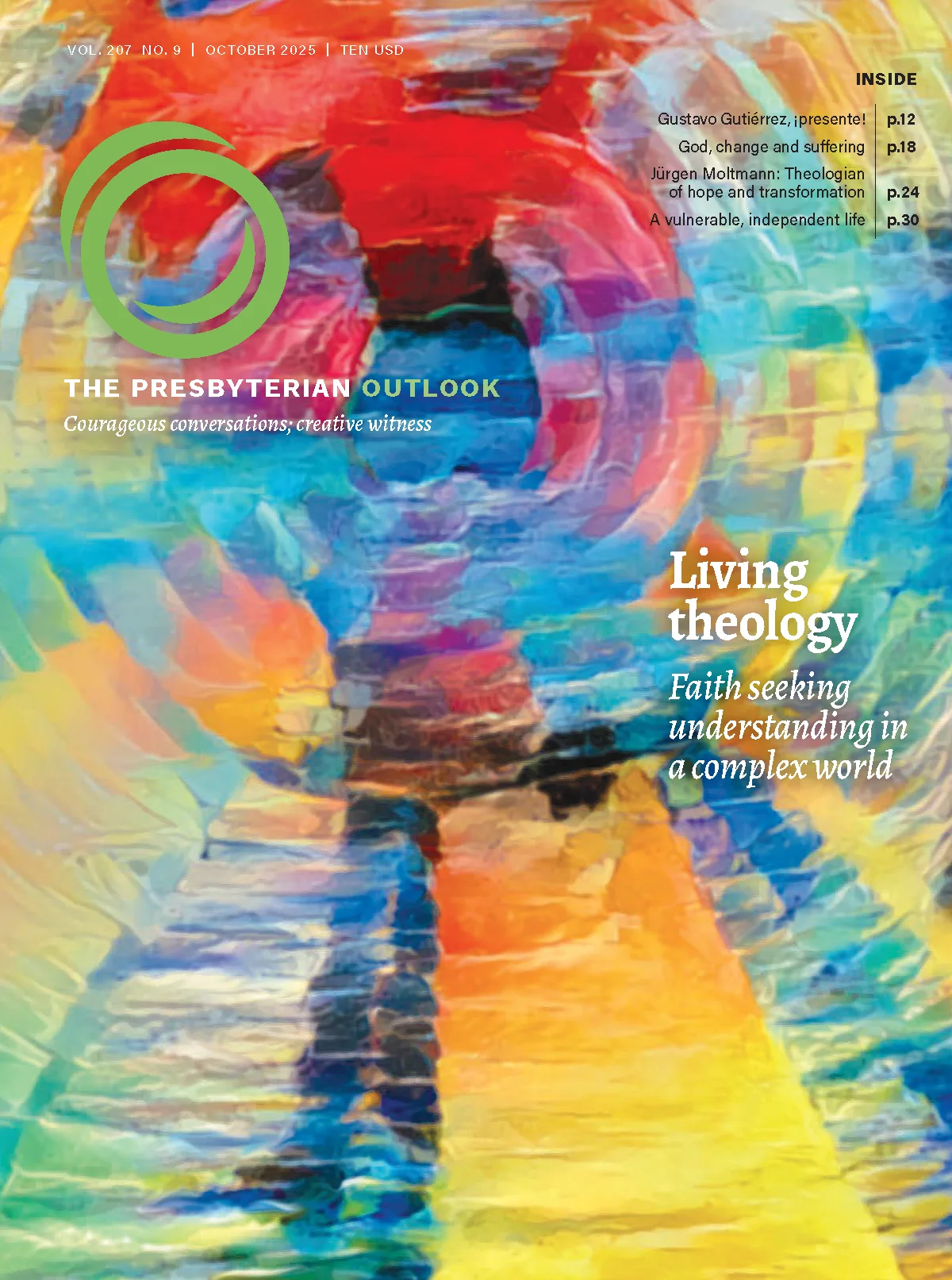
This issue of the Outlook invites readers into the heart of theological inquiry — not as abstract theory, but as a living practice that shapes our understanding of God, ourselves, and the world.
Theology spans diverse traditions, intersects with daily life, and offers a vision of hope and community as we respond to the world’s crises and questions. Theological inquiry examines how congregations can deepen their faith through reflection and engagement.
Guest editors Amy Plantinga Pauw and Daniel Ott have curated readings encompassing disability theology, process theology, and the works and lives of theologians Jürgen Moltmann and Gustavo Gutiérrez. Whether you’re a seminary-trained pastor or a curious layperson, this issue of the Outlook offers reflection and real-world application — equipping today’s church for faithful, informed witness.
Daniel J. Ott explores how theology moves from ideas to action in real communities.
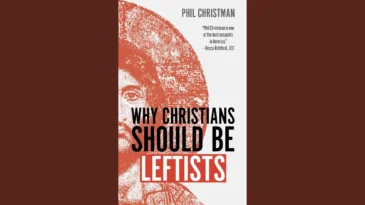
“Why Christians Should Be Leftists” argues Jesus’ moral imagination pushes Christians toward justice, compassion and a politics rooted in neighbor-love, writes Samuel McCann.
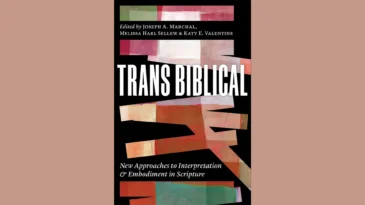
In "Trans Biblical," editors Joseph Marchal, Melissa Sellew and Katy Valentine invite readers to see familiar biblical figures – like Jael, Jacob and Mordecai – in new and life-giving ways. Jo Wiersema offers a review.
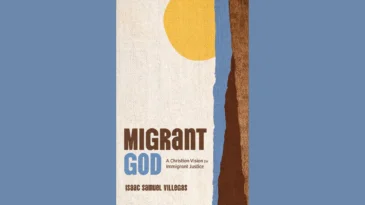
Isaac Samuel Villegas’s “Migrant God” frames agape as solidarity and portrays God as a migrant, writes Amy Pagliarella.
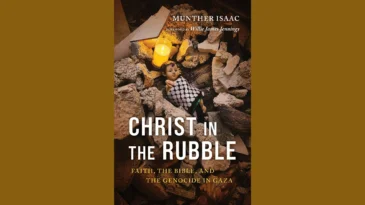
Munther Isaac draws upon Martin Luther’s theology of the cross to find Christ in the rubble, in solidarity with those who suffer. Robert A. Cathey offers a review.

Theologian Jürgen Moltmann’s work encourages joyful participation in God’s redeeming love. — Steffen Lösel

Process theology reframes suffering, change and God’s presence — offering freedom, agency and hope in a world where everything is becoming, writes Monica Coleman.

Gustavo Gutiérrez challenged the church to see God among all people, especially the poor — not in theory, but in lived commitment, writes Leo Guardado.

Disability theology invites us to reconsider how Scripture portrays impairment — not as tragedy or sin, but as part of God’s own life, writes Lisa Powell.
In each issue of the Outlook, we include a discussion guide to further reflect on the issue. We recommend using this guide in your Bible study, small group or book club. It's our invitation into a faithful conversation.
Theology isn’t solo work — it’s a 2,000-year conversation. Meet past and present voices shaping faith in the October 2025 Presbyterian Outlook.
As seminaries and religious studies programs shrink, the responsibility to nurture theological imagination is shifting to our congregations. Are our churches ready, asks Teri McDowell Ott?

Theologians David Jensen, Martha Moore-Keish and Hanna Reichel reflect on the joy, challenge and urgency of forming faithful thinkers today — and why words still matter.

From everyday frustrations to moral dilemmas, Jesus’ testing teaches us how to endure with faith, writes Rosalind Banbury.

As church buildings empty, congregations are finding new ways to align mission with property, transforming sacred space into community-serving hubs.
© Copyright 2026 The Presbyterian Outlook. All Rights Reserved. Privacy Statement. Website by Web Publisher PRO