

Brandon R. Grafius offers a Lenten reflection on Joshua, Psalm 137 and Uzzah — and why troubling passages may deepen faith rather than diminish it.

In a culture shaped by algorithms and polarization, March Madness creates something rare: a temporary “we,” writes Brittany Porch.
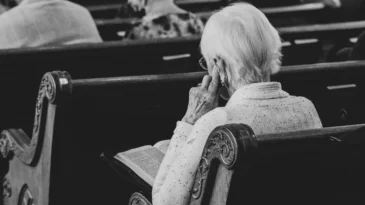
They are dying. And they are faithful. Brenda Monroe Moten shares what she tells elderly Christians in troubled times.
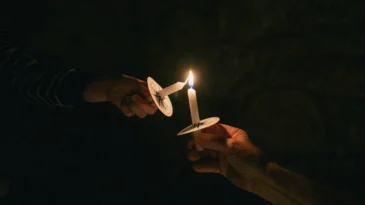
A community vigil reveals how small acts of presence can resist fear and restore our shared humanity, writes Maggie Alsup.
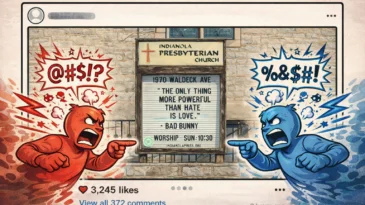
A church quoted Bad Bunny. The comments turned combative. What followed led Trip Porch to think about Jesus and Nicodemus … and what faithful engagement looks like in the digital age.

Against a backdrop of infinite possibilities and imagined cyber-immortality, the church dares to say something unfashionable: “You are dust.”
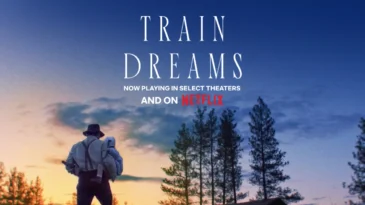
"Train Dreams" asks how we endure loss, accept mystery and remain attentive to beauty, writes Brendan McLean.

At a time when trust feels fragile, a popular queer hockey romance reminds us that love can still be sincere, demanding and transformative, writes Brittany Porch.
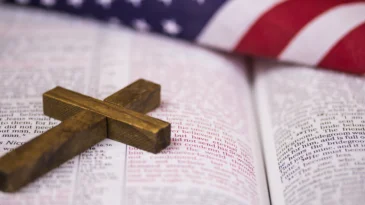
Allie Beth Stuckey and Joe Rigney just want to make sure you're empathizing with those they deem worthy of empathy.

An Ash Wednesday lament by Jennifer L. Aycock that names death, grief, and the ashes we carry into Lent.

Charles Aden Wiley, III, offers a provocative proposal: shorten the Book of Confessions to make it more accessible, usable and formational for the whole church.

Rural churches are not just “small.” They are profoundly local, relational and vital to the PC(USA)’s witness, writes Phillip Blackburn.

On a winter morning, seeds are scattered, tea is poured, and patience becomes prayer. Barbara Chaapel offers a poem about the quiet truth that giving sustenance sustains us.

In the “Stranger Things” finale, scars remain, grief lingers, and life goes on. Timothy Wotring explores a hope shaped by choice, community and resurrection faith.

Daniel Heath remembers Richard Smallwood, whose music taught the church how to pray, lament and hope.

Can we love our country and still tell the truth about its power? Greg Allen-Pickett reflects on U.S. involvement in Latin America — holding gratitude and grief, critique and hope, under the call of Christian discipleship.

‘Marty Supreme’ is an excellent film about a despicable confidence man. It perfectly reflects our historical moment, writes Jana Riess.

Can a Reformed Christian affirm universalism? Drawing on Calvin, Barth and Scripture, Lucus Levy Keppel argues that God’s grace ultimately reconciles all.

Maggie Alsup reflects on what her plant, Peter Parker, taught her about living in abundance and embracing slow growth in a fast-paced world.

Here’s what carried the Outlook staff through 2025 — culture, prayer, public faith, and small joys.

Palestinian Christians have developed one of the most important liberation theologies of our time — and most American churches have never encountered it, writes Christopher Tweel.
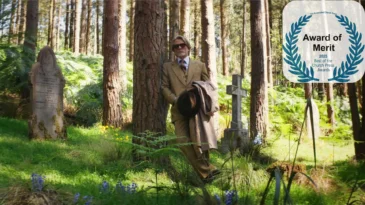
A priest. A murder. A question at the heart of faith. “Wake Up Dead Man” isn’t just a locked-room mystery — it’s a theological reflection, writes Brendan McLean.

Among lessons of Bondi Beach is Hanukkah's eternal lesson that there is more light to be found than we imagine.

Hunter Steinitz remembers the day her church's choir sang carols with a beloved member on hospice — and how music became family, worship and farewell all at once. Music binds the church together, she writes.

Karie Charlton offers a reflection on embodied faith, music and mindful breathing.
© Copyright 2026 The Presbyterian Outlook. All Rights Reserved. Privacy Statement. Website by Web Publisher PRO