

In this reflection, Brenda Moten explores how posture, humility and memory shape the way we pray.
A small congregation discovered unexpected community – and new possibilities for fellowship – with neighboring Buddhist monks, writes David Williams.

Tara W. Bulger reflects on her daughter’s difficult question about evil. What is the role of prayer when tragedy defies explanation?
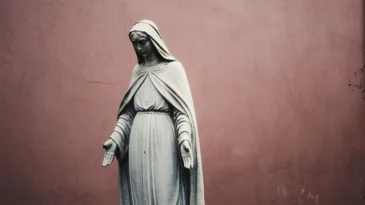
Brittany Porch reflects on her Catholic roots, the comfort of inherited prayer and the words that return to us in moments of grief.
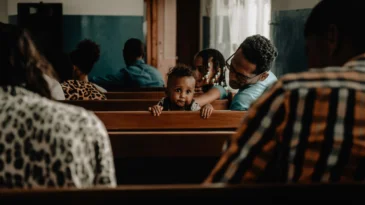
Katrina Pekich-Bundy reflects on neurodiversity, children in worship and the assumptions congregations make about who belongs in the sanctuary.
Compared with broad fossil fuel divestment, MRTI’s long-standing approach to shareholder advocacy better supports frontline communities and a just energy transition, write Kerri Allen and Mark Douglas.

Practical guidance and trusted resources to help pastors recognize mental health concerns, respond in crisis and connect individuals and families to care. Camile Cook Howe, Joseph Feldman and Theresa Nguyen offer their professional advice.
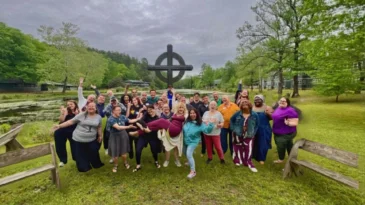
At Ferncliff, queer Presbyterians named harm, shared stories and reclaimed rest as essential to the church’s ongoing work for justice, writes Bethany Peerbolte.
Paul Seebeck shares how a multi-denominational campaign is drawing attention to reported abuses — and why it matters as the General Assembly takes up Israel/Palestine issues.

Online worship isn’t optional — it’s a vital doorway to connection, care and belonging for those shut out of the sanctuary, writes Brittany Harrold Porch.
As the PC(USA) considers a proposal on clergy relationships, April Stace argues the church risks regulating relationship structures instead of addressing power, harm and ethical practice.

After losing three close family members, one man finds his faith and a calling to pastoral ministry. Alan Olson reflects on how loss can open the door to renewal.

In "Project Hail Mary," an unlikely friendship reveals that interdependence is woven into creation, writes Brendan McLean.

Andrew Taylor-Troutman shares a personal story of friendship, failure and forgiveness — and how God restores what feels lost.

With a new overture before the 227th General Assembly, a group of Presbyterians argues that shareholder engagement is not enough. Faithful action requires full divestment, writes Fred Milligan.

Maggie Alsup reflects on childhood loss, unanswered questions and the quiet hope carried in a hymn that refuses easy explanations.

When pastoral calls falter, “fit” is often blamed. But the deeper issue is clarity. What if “fit” could be defined, tested and faithfully discerned before a call is extended, asks Gary Noonan?

Jesus spoke constantly about the Kingdom of God, yet many Christians struggle to define it. Sara Pantazes offers four questions to clarify how Kingdom citizenship shapes our lives today.

Well-meaning words can unintentionally deepen isolation in grief. Mathew Frease explores why platitudes fail and how presence and listening offer something more faithful.
A once-quiet question is resurfacing across the denomination. According to Christian Boyd, it could shape how the church calls and equips leaders in the years ahead.

Lent invites honest self-examination — not just of personal sin, but communal harm. Katrina Pekich-Bundy explores what "America’s Next Top Model" reveals about complicity, silence and repentance.

Churches destroyed. Pastors detained. Communities displaced. The crisis facing Christians in Burma demands more than concern — it calls for sustained U.S. action.
What does it feel like when a ministry you love comes to an end? Karie Charlton reflects on grief, relief and the quiet work of trusting God in seasons of transition.

Josh Robinson’s choice to wear Converse sneakers in worship reveals how approachability, embodiment and ancient tradition can work together in pastoral care.

Brandon R. Grafius offers a Lenten reflection on Joshua, Psalm 137 and Uzzah — and why troubling passages may deepen faith rather than diminish it.
© Copyright 2026 The Presbyterian Outlook. All Rights Reserved. Privacy Statement. Website by Web Publisher PRO