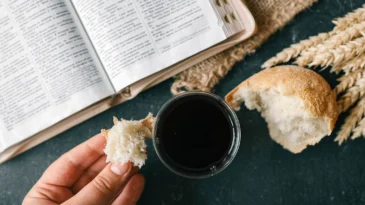



The closure of the PC(USA) Office of Theology and Worship marks the end of an era. Charles Aden Wiley, III and Martha Moore-Keish mark the office's 40-year legacy.

David W. Congdon explores the origins of Christian nationalism and the language that sustains it.
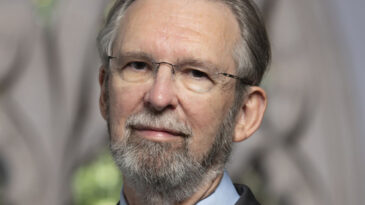
All of this full and good life was funded by an unapologetic conviction about the mercy of God at work in the gospel of Jesus Christ. — Beverly Roberts Gaventa

Ruth stayed. Orpah left. Both were blessed. Choosing the right ending requires courage, faith and grace, writes Katy Shevel.

The restoration of an antique baptismal font teaches Alan Olson, and his congregation, a lesson about Christ's grace.
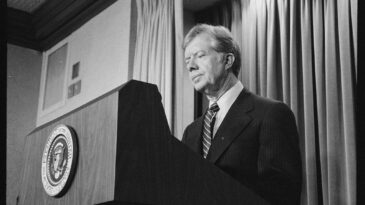
A poem commemorating the life of President Jimmy Carter by Paul Hooker.

In a busy season, the prophet John helps Maggie Alsup organize her to-do list.

In "Woodland," Gillian Welch and Dave Rawlings’ merge timeless folk ballads with pressing social issues, blending joy, sorrow, and soulful protest. — Andrew Taylor-Troutman

Sometimes, you have to say goodbye to something full of potential, writes Karie Charlton.

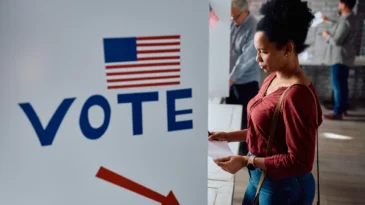
The command against bearing false witness connects truth-telling with the well-being of our neighbor, writes Ray Roberts. In light of the election, we need to remember this.

Sherry Blackman shares how one person can change the trajectory of someone's life.
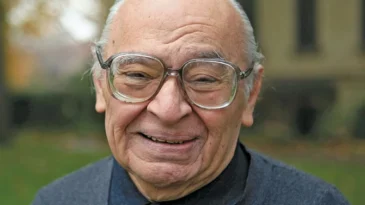
Pittsburgh Theological Seminary teacher Hunter Farrell remembers his former instructor, father of liberation theology, Gustavo Gutiérrez.

When time stands still after disaster, how do we mark the days? Pastor Esta Jarrett shares how a small mountain town tries to hold hope, gratitude, pain, and loss in the wake of Helene.

Borders are places of encounter, calling us to see our shared humanity, writes Greg Allen-Pickett.
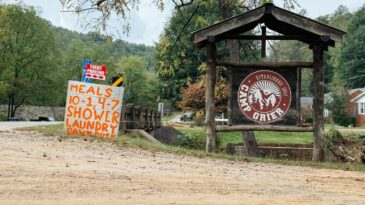
Presbyterian camps and conference ministries are more than just summer getaways — they’re vital hubs of community and recovery in times of crisis, writes Colleen Earp.

Andrew Taylor-Troutman offers the perfect recommendation for anyone who likes thinking about God and baseball.

After Hurricane Helene, neighbors came together in unexpected ways — sharing meals, resources, and stories. For pastor and theologian Paul Galbreath, these gatherings took on a deeply sacramental meaning.

Sometimes, the biggest victories come off the field, writes chaplain Maggie Alsup.

Should pastors seek a coach or a spiritual director? Spiritual Director/Clergy Coach Kerra Becker English offers her thoughts.

Walter Canter reflects on how sports taught him to meditate — a feeling he now experiences in worship.

Biking 326 miles across Ohio taught Lucus Levy Keppel that cycling is more than a physical challenge — it’s a spiritual journey.
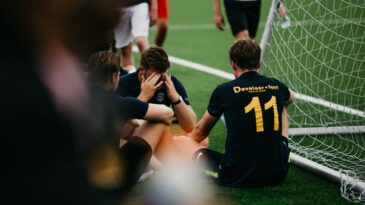
Losing is painful. According to professional athletes, it can also lead to growth, writes Andrew Taylor Troutman.

In honor of National Suicide Prevention Month, Elana Keppel Levy pushes against the teaching that those who commit suicide go to hell.

Katy Shevel reflects on the challenge and gift of maintaining friendships through adulthood and life's different seasons.

Shea Watts shares Covenant Presbyterian Church’s decision to remove stained-glass windows depicting Confederate figures.
© Copyright 2026 The Presbyterian Outlook. All Rights Reserved. Privacy Statement. Website by Web Publisher PRO