


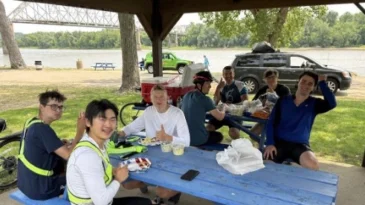
Charlie Berthoud recounts his son’s 4,000-mile charity bike ride from Virginia to California and witnessing remarkable generosity — especially from church communities along the journey.
Alfred Walker shares how a 1989 letter from a man who was imprisoned opened a path for ministry.

Mathew Frease frames empathy as a radical, Christ-centered practice that connects people, transforms relationships, and expands our capacity for justice across difference.

What do we do when Jesus feels absent — and the work feels impossible? Kate Murphy offers a reflection and some hope.
Amid PC(USA) decline, a new church growth network reframes growth as faithful, sustainable mission rooted in vitality, not gimmicks, writes Josh Erickson.
A tiny church faced COVID with an unexpected choice: save itself or give itself away. What happened next reshaped an entire town — and reached across the globe, writes Robert Barrett.
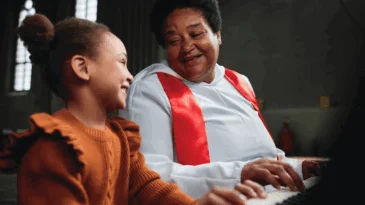
Church decline doesn’t mean faith is disappearing. It means congregations must rethink metrics, mission and community impact, writes Mark Elsdon.

50 years later, A Declaration of Faith remains clear, poetic, relevant, writes John Williams.

Poetry set to beats reminds listeners of their purpose and self, writes John Molina-Moore.

From Dolly Parton to The Grateful Dead, Bluey to Brandon Lake — Outlook readers shared the songs anchoring their hope, prayer and daily life.
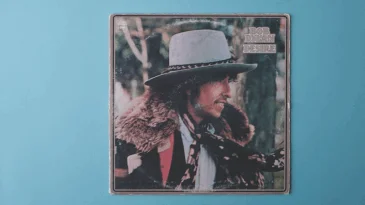
Bob Dylan wanted to keep things simple. His fans wanted more. — Luke Esteban

Dolly Parton is the rhinestone-clad prophet we need in our polarized times. — Lindy Vogado

Theologian Jürgen Moltmann’s work encourages joyful participation in God’s redeeming love. — Steffen Lösel

Process theology reframes suffering, change and God’s presence — offering freedom, agency and hope in a world where everything is becoming, writes Monica Coleman.

Gustavo Gutiérrez challenged the church to see God among all people, especially the poor — not in theory, but in lived commitment, writes Leo Guardado.

Disability theology invites us to reconsider how Scripture portrays impairment — not as tragedy or sin, but as part of God’s own life, writes Lisa Powell.
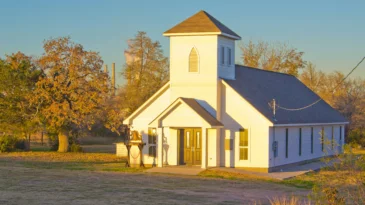
Churches in two small Kansas towns wondered what was missing. Now, a library, an after-school program and a daycare center are making their communities stronger. — Catherine Neelly Burton

We are called to open our eyes to Palestinian suffering, global injustice, and Christ’s call to see with love, writes Hunter Farrell.

We are preaching an era when the Gospel of Jesus Christ is radically counter to society. This is not a bad thing, writes Thomas Long.

Churches that focus on mission more than maintenance, on abundance more than scarcity, can find new ways to thrive, writes Mark DeVries.

Focusing on the creation of New Worshiping Communities turns our eyes toward new life for the denomination. — David Bonnema

If Christianity is to survive, it must be willing to let some things die, writes Tamice Spencer-Helms.
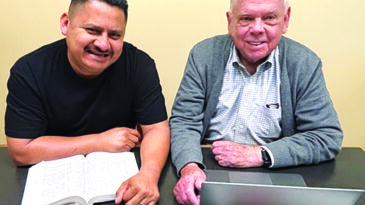
Language lessons spark a friendship rooted in faith. Don Griggs and his friend José read the Bible, share traditions, grieve, celebrate — and witness God’s grace.

We are called to serve as death doulas to the institution and midwives to the church, writes Jess Cook.

Hospitality is about walking with people and inviting them in, not just pointing them in the right direction, write James McMinn and Gina Vance.
© Copyright 2026 The Presbyterian Outlook. All Rights Reserved. Privacy Statement. Website by Web Publisher PRO