


The Outlook staff shares some of their summer reads.
“When I look at your mountains, at what your fingers have made — The rocks that the sea moves about from place to place — What are human beings that you have given this to us? What are human beings that we can play on this holy ground?”

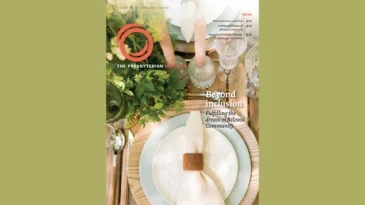
Erin Raffety offers some theological reflection and action steps for congregations desiring to foster inclusion and accessibility.
It's the messy, holy work of community.
A reflection on 2 King 5:1–14.
"We hope to let every church know that you do not need to be exceptional; you don’t need a big budget or limitless volunteers. You just need to listen to people with disabilities."
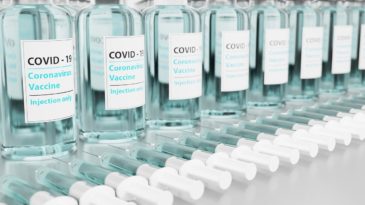
In the middle of the 225th General Assembly, how should we respond to COVID-19 in a way that prioritizes affirmation of being a Matthew 25 denomination?
"Our disabled bodies do not make us heroes, nor are we tragedies, but we hold within us the truth of the human experience: pain and joy dwell together. We are Good Friday and Easter, tomb and resurrection."
"[O]ne of my favorite Bible stories is about the Gerasene demoniac (Mark 5:1-20). We perceive it as scary — but in truth, Jesus models how I want to be treated as someone with bipolar disorder."

Some easy tips and tech fixes for Outlook's new website.
A poem by Kathryn Lester-Bacon.
“True accessibility means meeting people with disabilities where we are — not trying to change us, but making room so that we can be wholly ourselves as God created us to be,” writes Hunter Steinitz.

A poem by Scott Barton for the third Sunday after Pentecost.
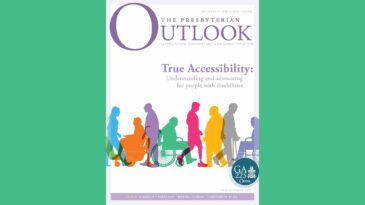
Who have we unintentionally excluded? What barriers keep the full body of Christ from gathering and participating? Whose voices are we talking over? Whose gifts and leadership remain untapped?
May those of us who need a nudge have the strength, courage, and clarity to embrace the holy discomfort to step into the spotlight, speak up at the table when we have the least privilege and stand out as our true selves when God calls us.
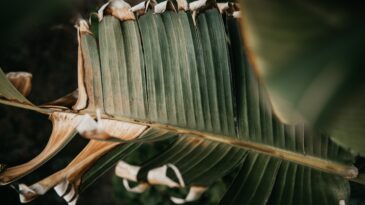
Jenny McDevitt reflects that hope finds a way; that creation hasn’t given up on us yet, despite overwhelming rationale for doing so; that, while it may be too late to fix everything, we can still fix some things.
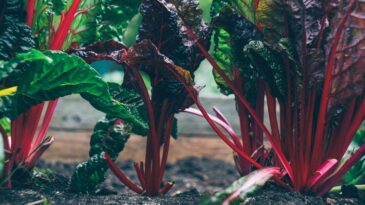
How food can help restore our relationship with the earth and with each other.
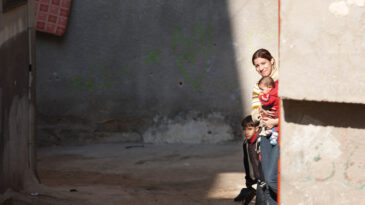
Peter Makari writes about the role U.S. churches play in Israel/Palestine and the difficulty of balancing interfaith relationships with advocacy.
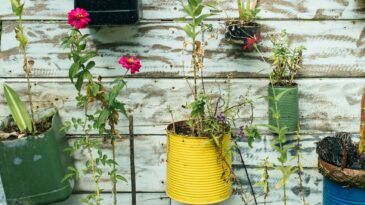
A list of gifts you can create using materials you might otherwise throw away.
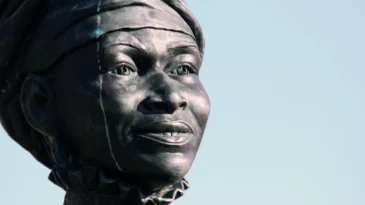
Leslie Scanlon outlines how General Assembly will touch on Juneteenth and cash bail.
"I’m called to be a chaplain. I didn’t settle for this vocation. I am not a chaplain because I couldn’t cut it in the parish. I truly believe the Holy Spirit guided me here."
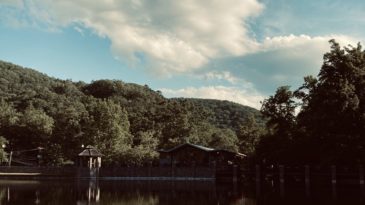
Austin Theological Seminary student Ashley Brown remembers the God she found on a five-month monastic retreat in the mountains of North Carolina.
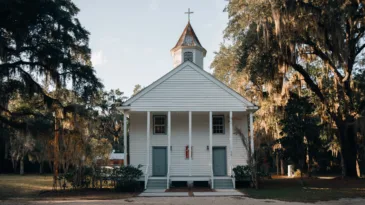
The PC(USA) is changing. In what ways does the polity and funding structure need to change too?
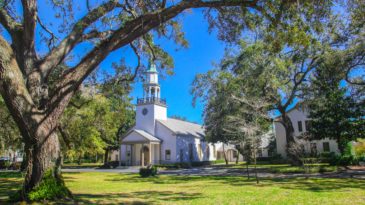
"I see our call to be the church in the 21st century as God daring us to look deep into our identity as believers during social, political and theological turmoil, daring us to be grounded yet flexible enough to thrive in a rapidly changing context."
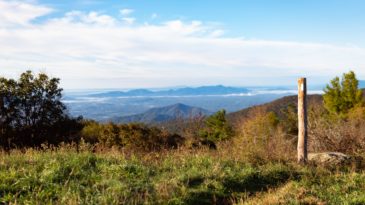
It is no wonder that so many of us feel full in the wild. God as Creator, Redeemer and Sustainer is so evidently seen in nature. It is almost as if the wilderness is a not-so-subtle reminder of the character of God.
© Copyright 2026 The Presbyterian Outlook. All Rights Reserved. Privacy Statement. Website by Web Publisher PRO