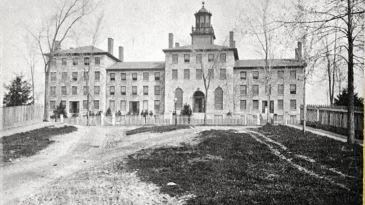


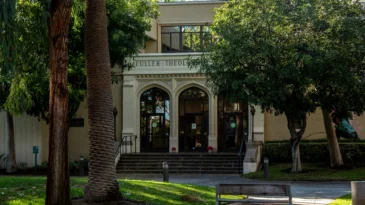
What if theological education isn’t just for pastors, but for every Christian, asks Beth McCaw?

Campus minister Mathew Frease has watched students build community across differences. What he’s seen challenges churches to rethink how people become seen, known and loved.
Religion shapes our shared life. Theological education helps Christians discern when faith leads toward love and justice — and when it is used to justify exclusion and power, writes Teri McDowell Ott.

Julia Burkley offers another perspective on Communion and eating disorders, reflecting on how the table became a place of safety, sustenance and healing in her own recovery.

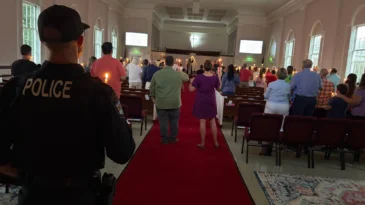
Training ruling elders to preside at Communion isn’t simply a response to pastoral shortages, writes Joel Moody. It can be an expression of Reformed theology and a celebration of gifts.
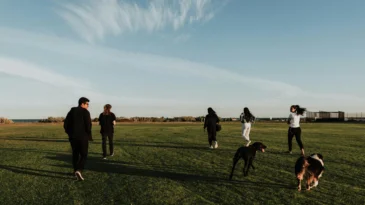
Phillip Blackburn invites rural and small churches to rethink youth ministry — looking beyond Sunday morning attendance to relationships with the young people already in their communities.
The songs we sing shape what we believe. Shea Watts offers questions to help worship leaders choose music with theological intention.
In each issue of the Outlook, we include a discussion guide to further reflect on the issue. We recommend using this guide in your Bible study, small group or book club. It's our invitation into a faithful conversation.

Sean P. Williams and Kate Satterstrom share how four churches built a collaborative youth ministry that has thrived for nine years.

For Christians with eating disorders, communion can bring anxiety alongside grace. Rachel Sutphin asks how churches can make Christ’s welcome tangible for everyone at the table.

Three young Presbyterians speak with clarity and hope about belonging, authenticity, faith, doubt, community and the future of the church.
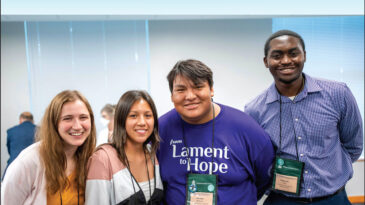
Six ways young Presbyterians are finding leadership roles beyond their church.
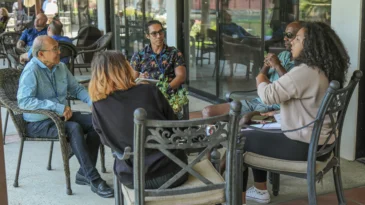
Vernon Gramling shares what 12 years of leading small groups taught him about making room for honest questions and doubt.

Queer and trans youth are gifts to the church. Here are five ways congregations can turn affirmation into meaningful practices of belonging, advocacy and celebration, writes Cody J. Sanders.

Moving toward programs that affirm Black children’s full humanity is crucial for justice, writes Chris Burton.
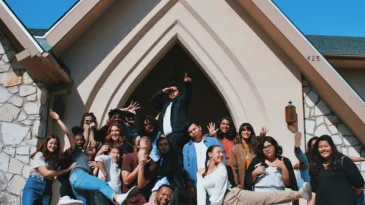
Teri McDowell Ott argues that instead of trying to "figure out" Gen Z, churches should ask what kind of church is worthy of their trust.

Prevention is not only a clinical task. It is a human task, a family task, a church task and a community task, write Michelle Snyder and Christopher Epperson.

Kris Brammer on the bittersweet joy of watching youth group seniors graduate and trusting God with the growth.

Maintaining the status quo can be antithetical to connection and needs, writes Jason Tucker.

Chris Dela Cruz explores how listening can be an act of faith formation, challenging churches to create spaces where young people feel noticed, known, valued and empowered to shape their communities.
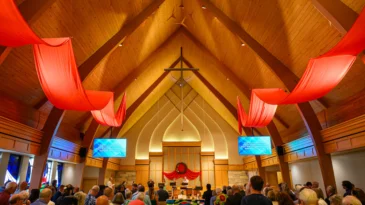
Christy Williams and Brittany Porch reflect on the shrinking path for nonordained Christian educators and youth workers — and what the PC(USA) risks when it fails to invest in those called to faith formation.

The Presbyterian Outlook is partnering with FāVS News to strengthen independent journalism and broaden our coverage of the church in the Pacific Northwest.

Help us explore the theme "failure."
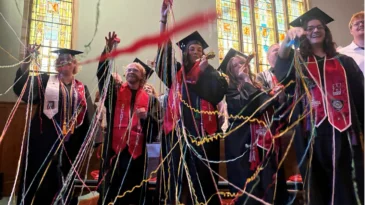
Former Hastings College Chaplain Doodle Harris interviewed 21 students about why they left church. Their answers reveal pain, curiosity and an enduring desire to pursue faith beyond the sanctuary.
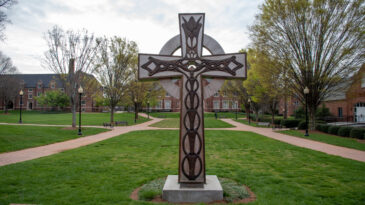
In the wake of staff cuts at Columbia Theological Seminary and Presbyterian Life & Witness, William Yoo calls for greater transparency, accountability and care from the institutions that serve the PC(USA).
© Copyright 2026 The Presbyterian Outlook. All Rights Reserved. Privacy Statement. Website by Web Publisher PRO